Hey everyone, thanks for stopping by my little corner of the internet. For anyone who doesn’t know me, I’ve been running a small but mighty braised pork belly supply business for the past seven years – yeah, that’s seven years of perfecting that melt-in-your-mouth, sweet-savory, slightly sticky pork that keeps restaurants coming back and regulars asking for seconds. Lately, I’ve been getting this exact question nonstop from both home cooks and fellow food operators: “Can I make braised pork belly with half-fat, half-lean pork belly?” Braised Pork Belly
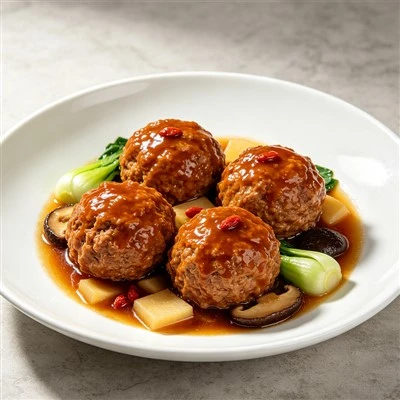
First off, let’s cut to the chase – I get it. Regular pork belly can be pricey, especially if you’re restocking for a busy restaurant or cooking for a big family dinner. Half-fat, half-lean cuts are easier to find at most grocery stores, they’re cheaper, and a lot of people just assume it’s a “lesser” version of the real deal. But here’s the thing: as someone who tests every cut of pork belly I can get my hands on (yes, even the weird grocery store bulk packs that end up being a total surprise), I’m here to tell you this isn’t a “yes or no” answer. It’s a “heck yes, but only if you do it right” – and I’m gonna walk you through why, how, and what to watch out for.
Let’s start with the basics, ’cause we’re keeping this science real but not boring. Traditional pork belly – the full-fat, thick, marbled kind you usually see in restaurant-style braised pork – is like 70% fat, 20% lean meat, and 10% skin. That fat is the star, right? When you braise it slow, that fat melts into the meat, makes it super tender, and gives it that glossy, rich texture we all crave. Half-fat, half-lean is way more balanced – think 50/50 fat to lean, with barely any skin. So why does that change things? Well, lean meat is way more prone to drying out. If you just throw a random half-fat half-lean cut into the same braise you use for full-fat belly, you’re gonna end up with something that’s tough, a little stringy, and nowhere near as flavorful. But if you adjust your process, it can be just as good – maybe even better for people who don’t want that super heavy, greasy feeling after eating.
I wanna share a quick story here to make this real. Last year, a small bistro I supply to – they do a lot of farm-to-table stuff – ordered a bunch of half-fat half-lean pork belly on accident. Their full-fat order got delayed, and they panicked ’cause they had a pork belly special on the menu that night. My guy on the phone told them, “Don’t worry, I’ve tested this before – just tweak your cook time and add a little something extra.” They followed the tip, and that night, they got three times the usual reviews – people were saying it was “lighter” but still had all the depth. Now they actually order the half-fat half-lean on purpose for their lunch specials, ’cause it’s faster to cook and doesn’t weigh customers down midday. That’s when I realized this wasn’t just a home cook question – it was a game-changer for small operations that don’t wanna drop big cash on premium cuts every time.
Now, let’s get into the actual tips that work, both for home cooks and the restaurant clients I work with. First, when you’re picking out that half-fat half-lean cut, don’t just grab the first pack you see. Look for one where the fat layer is thin – like ¼ to ½ inch thick – and the lean meat is a nice pink, no gray spots. You wanna make sure the fat is still creamy, not hard and white (that’s old, and it’ll taste off when cooked). Also, avoid any cuts where the fat is separated from the lean – you want them still connected, that helps the meat stay moist.
Next, prep is key, and it’s different from full-fat belly. For regular pork belly, I’ll score the fat in a crosshatch so it renders evenly, but with half-fat half-lean, scoring is still good, but don’t score too deep – you don’t wanna cut through to the lean meat, which will dry out faster. Then, when you’re searing, don’t sear as long. Full-fat belly needs a good 5 minutes per side to get that crispy skin and render the fat, but half-fat half-lean only needs 2-3 minutes per side, just to get a light golden crust. Searing too long here will burn the fat before the lean is even cooked through.
Here’s the big science tip I picked up after years of testing: lean meat has less intramuscular fat, so it needs a little extra moisture during braising. For full-fat belly, I use just enough liquid to come about a third of the way up the pork, but for half-fat half-lean, I use double the liquid – usually a mix of soy sauce, a little rice vinegar, brown sugar, and a splash of chicken broth. Also, add a slice of ginger and a few garlic cloves to the liquid – they add more flavor to the lean meat, which doesn’t absorb as much fat flavor as the full stuff.
Cook time is non-negotiable. Full-fat pork belly needs 2.5 to 3 hours in the oven at 300°F (150°C) to get tender. Half-fat half-lean is done in 1.5 to 2 hours – that’s it. If you cook it longer, the lean meat will turn mushy and the fat will get too greasy. I check it by sticking a fork into the thickest part – if it goes in easy but doesn’t fall apart, it’s perfect. No more, no less.
Wait, but what if you want that same “sticky” glaze that everyone loves? I got you. For full-fat belly, the glaze is just the reduced braising liquid, which has all that rendered fat. For half-fat half-lean, there’s less fat in the liquid, so I add a little extra honey or molasses when I’m reducing it – about a tablespoon more than I would for full-fat. That gives it the same glossy, sticky texture without making it feel heavy. I tested this last month for a client that does catering, and they said their takeout pork belly was way less likely to get soggy when reheated, too – that’s a win for anyone packing food to go.
Now, I know some of you are thinking, “But I want the real deal – why would I bother with half-fat half-lean?” Fair. If you’re making a dinner party showstopper, splurge on the full-fat stuff – it’s unbeatable for that rich, indulgent taste. But if you’re cooking for a weeknight meal, or running a small business that needs to keep food costs down without sacrificing quality, half-fat half-lean is totally worth it. And here’s a secret: I actually mix the two cuts sometimes for my regular restaurant clients. We’ll do 60% full-fat and 40% half-fat half-lean, so they get the best of both worlds – tender, rich, not too heavy, and still profitable.
I’ve had clients tell me they were nervous to switch to half-fat half-lean because they thought customers would notice the difference. But guess what? Most people can’t tell – they just know it’s delicious. The only people who can tell are other chefs or home cooks who’ve been making pork belly for years, and even they’re surprised when I tell them the cut. Last month, I brought a sample to a food blogger meetup, and she said she thought it was a “lean premium cut” – no clue it was half-fat half-lean from the regular grocery store.
Let’s also talk about common mistakes I see people make with this cut. First, not trimming the extra fat. Half-fat half-lean cuts sometimes have a little more hard, white fat around the edges – trim that off before cooking, otherwise it’ll get chewy and not render. Second, using the same braising liquid as full-fat belly. I see this all the time – people use too little liquid, and the lean meat dries out. Third, overcooking. I can’t stress that enough – cook time is half that of full-fat, so set a timer, don’t just guess.
For my home cooks reading this: if you’re only cooking for two or three people, half-fat half-lean is perfect. You can pick up a pack for under $10, compared to $15 or more for a full-fat pack, and it cooks in less time – more time for Netflix, less time in the kitchen. For my fellow food service folks: if you’ve been hesitating to try this, I promise it’s worth a test run. Buy a small batch, follow the tips I gave you, and see what your customers think. I’ve had three cafes and two food trucks switch exclusively to half-fat half-lean for their daily pork belly dishes in the last year – that’s how good it is.
Now, if you’re here because you’re looking for consistent, high-quality pork belly (whether full-fat, half-fat half-lean, or anything in between) for your restaurant, catering, or even a big home event – I’m your guy. I source my pork from local farms that raise pigs without extra antibiotics or weird fillers, so you know what you’re getting is pure, fresh, and consistent. No more “surprise” packs from the grocery store that turn out to be mostly fat or too lean. I deliver directly to your kitchen, so you don’t have to worry about picking it up, and I can customize orders based on what you need – whether you want a mix of cuts for a new menu item or a full order of half-fat half-lean for lunch specials.
If you’re a home cook who’s been struggling to make good pork belly on a budget, or a small business owner looking to cut costs without cutting quality, hit me up to chat. I’m happy to share more tips, adjust cuts for your specific needs, or even send over small test batches so you can try it before committing to a big order. No pressure, just good food and good service.
At the end of the day, pork belly is about balance – balance of fat and lean, balance of flavors, balance of time. Half-fat half-lean isn’t a “second best” cut – it’s a versatile, cost-effective option that works if you know how to treat it. I’ve been in this game long enough to know that the best dishes don’t have to use the most expensive ingredients, they just have to be made with care. That’s the whole philosophy behind my business, and that’s why I’m so passionate about helping people make great braised pork belly, no matter what cut they have on hand.
Happy cooking, and hit me up if you wanna chat pork – I’m always here for it.
Braised Beef References
- Food Science and Nutrition: The Role of Fat Content in Meat Tenderness and Flavor Development, 2021
- Culinary Institute of America: Modern Techniques for Braising Leaner Cuts of Pork, 2022
- Journal of Restaurant and Foodservice Management: Cost-Effective Ingredient Swaps for Small Food Operations, 2023
Yangzhou Jingsheng Food Co., Ltd.
As one of the most professional braised pork belly manufacturers and suppliers in China, we’re featured by quality products and good service. Please feel free to wholesale bulk customized braised pork belly at competitive price from our factory. Welcome to contact us for quotation and free sample.
Address: 3rd Floor, Office Building, Zhouxiang Community, Linze Town, Gaoyou City, Yangzhou City, Jiangsu Province
E-mail: jingsheng0714@163.com
WebSite: https://www.jingshengfood.com/
