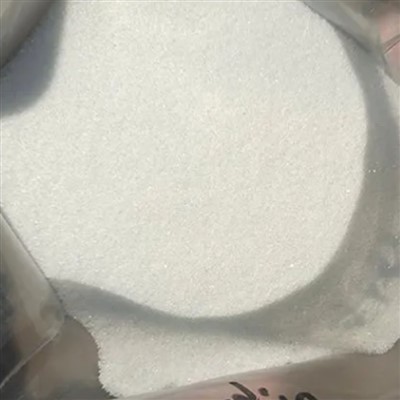
Slaked lime powder, chemically known as calcium hydroxide (Ca(OH)₂), has long been a staple in various industries. As a proud supplier of high – quality slaked lime powder, I’ve witnessed firsthand its remarkable versatility, especially in the realm of agriculture. In this blog, I’ll delve into the numerous ways slaked lime powder can revolutionize agricultural practices. Slaked Lime Powder
Soil pH Adjustment
One of the most significant applications of slaked lime powder in agriculture is soil pH adjustment. Most plants thrive in a specific soil pH range, and when the soil becomes too acidic, it can impede nutrient uptake. Acidic soils are common in areas with high rainfall, as the water leaches basic nutrients like calcium and magnesium, leaving behind acidic elements such as aluminum and iron.
Slaked lime is an effective liming material that can neutralize soil acidity. When added to acidic soil, calcium hydroxide reacts with the hydrogen ions present in the soil solution. The chemical reaction is as follows:
Ca(OH)₂ + 2H⁺ → Ca²⁺+ 2H₂O
This reaction reduces the concentration of hydrogen ions, thereby increasing the soil pH. As the pH rises, the availability of essential nutrients such as nitrogen, phosphorus, and potassium improves. For example, in acidic soils, phosphorus can bind to iron and aluminum, making it unavailable to plants. By raising the pH, slaked lime releases phosphorus, allowing plants to access this vital nutrient for growth and development.
In legume crops like soybeans and alfalfa, a proper soil pH is crucial for the symbiotic relationship between the plants and nitrogen – fixing bacteria. These bacteria live in root nodules and convert atmospheric nitrogen into a form that the plants can use. They function optimally in a slightly alkaline to neutral soil environment. Applying slaked lime to acidic soils used for legume cultivation can enhance nitrogen fixation, reducing the need for synthetic nitrogen fertilizers.
Improving Soil Structure
Another advantage of using slaked lime powder in agriculture is its ability to improve soil structure. In clayey soils, the particles are very fine and tend to pack closely together, resulting in poor aeration, drainage, and root penetration. Slaked lime can act as a flocculating agent, causing the clay particles to clump together.
The calcium ions (Ca²⁺) in slaked lime displace the sodium ions on the surface of clay particles. When the clay particles come into contact with the calcium ions, they form larger aggregates. This aggregation creates larger pores in the soil, improving both aeration and drainage. As a result, plant roots can penetrate the soil more easily, access nutrients and water more efficiently, and grow more vigorously.
In addition, the improved soil structure also reduces soil erosion. In well – aggregated soils, the soil particles are less likely to be washed away by water or blown away by wind. This is particularly important in hilly or sloped agricultural areas, where soil erosion can be a significant problem.
Disease and Pest Control
Slaked lime powder has long been used as a natural pesticide and fungicide in agriculture. Its alkaline nature can create an unfavorable environment for many pests and pathogens.
Many fungi, such as those causing powdery mildew and downy mildew, prefer acidic to neutral conditions. By raising the soil or plant surface pH, slaked lime can inhibit the growth and spread of these fungi. When applied as a foliar spray, a thin layer of slaked lime on plant leaves can prevent fungal spores from germinating and infecting the plants.
In the case of pests, slaked lime can be used to deter them from crops. For example, slugs and snails dislike the alkaline environment created by slaked lime. Sprinkling a thin line of slaked lime around the base of plants can act as a barrier, preventing these pests from reaching the plants.
As a Nutrient Source
Calcium is an essential nutrient for plants. It plays a crucial role in cell wall formation, enzyme activation, and the regulation of various physiological processes. Slaked lime powder is a rich source of calcium. When it is added to the soil, the calcium ions are gradually released and become available for plant uptake.
In crops like tomatoes, apples, and peppers, a sufficient supply of calcium is essential to prevent disorders such as blossom – end rot. Blossom – end rot is a physiological disorder characterized by a dark, sunken area at the blossom end of the fruit. It is caused by a localized calcium deficiency in the fruit tissue. Applying slaked lime to the soil can help ensure an adequate supply of calcium to the plants, reducing the incidence of such disorders.
Manure and Compost Treatment
Slaked lime powder can also be used in the treatment of manure and compost. Manure is a valuable source of nutrients for plants, but it can also contain pathogens, weed seeds, and emit unpleasant odors. Adding slaked lime to manure can help kill pathogens and weed seeds due to its alkaline nature.
The high pH created by slaked lime can denature the proteins and membranes of bacteria, fungi, and weed seeds, rendering them non – viable. In addition, slaked lime can react with the ammonia in manure, reducing ammonia emissions and the associated unpleasant odors.
When it comes to composting, slaked lime can be added to adjust the pH of the compost pile. A proper pH range is essential for the activity of the microorganisms involved in the composting process. By maintaining the right pH, slaked lime can speed up the decomposition of organic matter, resulting in a high – quality compost that can be used to enrich the soil.
Application and Considerations
When using slaked lime powder in agriculture, it’s crucial to apply it correctly. The application rate depends on several factors, including the soil type, the initial soil pH, and the crop to be grown. A soil test is highly recommended before applying slaked lime. This will provide accurate information about the soil’s current pH and nutrient levels, allowing farmers to determine the appropriate amount of slaked lime to apply.
It’s also important to note that slaked lime should be applied well in advance of planting. This allows sufficient time for the chemical reactions to occur in the soil and for the pH to stabilize. Additionally, slaked lime should be evenly distributed across the soil surface to ensure uniform pH adjustment.
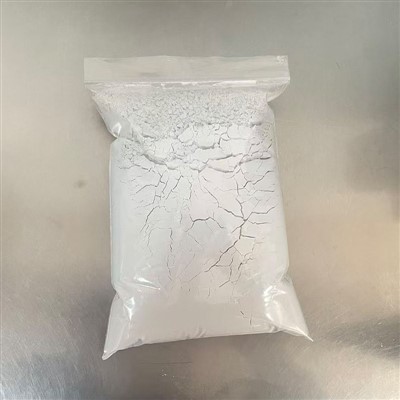
In conclusion, slaked lime powder is an invaluable tool in agriculture. Its ability to adjust soil pH, improve soil structure, control diseases and pests, provide essential nutrients, and treat manure and compost makes it a must – have for modern farmers. As a supplier of slaked lime powder, I’m committed to providing the highest – quality product to support the success of agricultural operations.
Quick Lime Powder If you’re interested in learning more about how our slaked lime powder can benefit your agricultural practices or would like to discuss a potential purchase, please don’t hesitate to reach out. We’re here to answer your questions and help you find the best solutions for your specific needs.
References
- Brady, N. C., & Weil, R. R. (2016). The Nature and Properties of Soils. Pearson.
- Marschner, P. (2012). Mineral Nutrition of Higher Plants. Academic Press.
- Stevenson, F. J. (1994). Humus Chemistry: Genesis, Composition, Reactions. Wiley.
Chaohu Jirun Energy Conservation and Environmental Protection Technology Co., Ltd.
We’re well-known as one of the leading slaked lime powder manufacturers and suppliers in China, also support customized service. Welcome to wholesale high quality slaked lime powder in stock here from our factory. If you have any enquiry about pricelist, please feel free to email us.
Address: No. 9, north of the intersection of Weihai Road and Weili Avenue, within the industrial park of Yinping Town, Chaohu City, Hefei City, Anhui Province.
E-mail: 13305654485@163.com
WebSite: https://www.chaohujirun.com/
