Can plastic pallets be used in the textile industry? Plastic Pallets
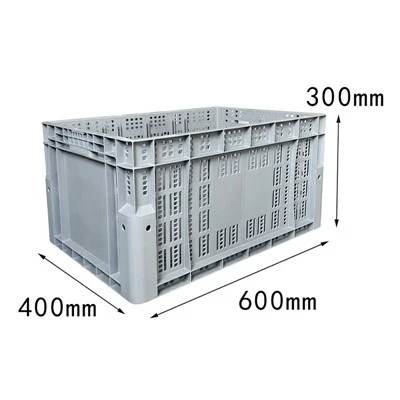
As a supplier of plastic pallets, I’ve often been asked about their suitability for various industries, and the textile sector is no exception. In this blog, I’ll explore the practicality and benefits of using plastic pallets in the textile industry, weighing the pros and cons based on my years of experience in the pallet business.
The Demands of the Textile Industry
The textile industry has unique requirements when it comes to material handling and storage. Textiles are often delicate and can be easily damaged by rough surfaces, moisture, and pests. Additionally, the industry deals with large volumes of products that need to be transported efficiently and safely from production facilities to warehouses and ultimately to retailers or end – users.
Advantages of Plastic Pallets in the Textile Industry
1. Hygiene
One of the most significant advantages of plastic pallets in the textile industry is their hygiene. Unlike wooden pallets, which can absorb moisture, harbour insects, and develop mold, plastic pallets are non – porous. This means they are resistant to water damage, and it’s much harder for bacteria, fungi, and pests to find a home on them. Since textiles are often in direct contact with the pallets during storage and transportation, a clean and hygienic pallet is crucial to prevent contamination. For example, high – end textile products such as silk fabrics can be easily soiled or damaged by a dirty pallet surface, and plastic pallets eliminate this risk.
2. Durability
Plastic pallets are extremely durable. They can withstand heavy loads repeatedly without warping, cracking, or splintering. In the textile industry, where large rolls of fabric or heavy garment bales need to be stacked and moved, the ability of plastic pallets to maintain their structural integrity is essential. This durability also means a longer lifespan compared to wooden pallets, which may need to be replaced more frequently due to wear and tear. A single plastic pallet can serve for years in a textile supply chain, reducing the long – term cost of pallet replacement.
3. Customization
Plastic pallets can be customized to meet the specific needs of the textile industry. They can be manufactured in different sizes, shapes, and designs to accommodate various textile products. For instance, some textile products require pallets with a certain height to fit into specific storage racks or shipping containers. Others may benefit from pallets with special features like anti – static properties to prevent electrostatic damage during handling. By offering customization options, plastic pallets can be tailored to optimize the storage and transportation of textiles.
4. Ease of Cleaning
Keeping pallets clean is essential in the textile industry to ensure the quality of the products. Plastic pallets are very easy to clean. They can be simply washed with water and a mild detergent, and in some cases, even pressure – washed. This makes it convenient for textile companies to maintain a clean and sanitary environment for their products, especially in industries where cleanliness is regulated.
5. Compatibility with Automation
The textile industry is increasingly adopting automated material handling systems. Plastic pallets are well – suited for these systems because of their uniform shape and size. They can be easily moved by conveyor belts, forklifts equipped with automated guides, and robotic handling equipment. This compatibility improves the efficiency of the entire supply chain, reducing handling time and labor costs.
Disadvantages of Plastic Pallets in the Textile Industry
1. Initial Cost
The upfront cost of plastic pallets is generally higher than that of wooden pallets. For textile companies on a tight budget, this can be a significant deterrent. However, it’s important to consider the long – term cost benefits of plastic pallets, such as their durability and lower replacement rate. Over the lifetime of the pallets, the overall cost may be more competitive.
2. Environmental Concerns
Plastic is often associated with environmental issues. While many plastic pallets are made from recyclable materials, the perception of plastic as a non – eco – friendly material may be a concern for some textile companies that are committed to sustainable practices. However, some manufacturers are now producing pallets from recycled plastics, which helps to mitigate these concerns.
Real – World Applications
In real – world textile operations, plastic pallets have proven their worth. For example, a large textile manufacturing company was facing issues with wooden pallets rotting in their humid storage facilities. After switching to plastic pallets, they noticed a significant reduction in product damage due to contaminants. The durability of the plastic pallets also meant fewer disruptions in the supply chain caused by broken pallets.
Another example is a textile distributor that implemented an automated storage and retrieval system. Plastic pallets were the obvious choice as they provided the consistent size and shape required for the smooth operation of the system. This led to a more efficient distribution process, with faster order fulfillment and lower operational costs.
Making the Decision
When considering whether to use plastic pallets in the textile industry, companies should weigh the advantages and disadvantages based on their specific needs. If hygiene, durability, and compatibility with automation are high priorities, plastic pallets are likely a good choice. However, if budget is a major constraint, a combination of plastic and wooden pallets may be considered.

As a plastic pallet supplier, I understand that every textile business is unique. I’m here to offer expert advice and help you select the most suitable plastic pallets for your operations. Whether you need standard pallets or custom – designed solutions, we have the expertise and resources to meet your requirements.
Perforated Pallets If you’re involved in the textile industry and are interested in exploring the use of plastic pallets in your business, I encourage you to reach out to us for a detailed discussion. We can provide you with samples, cost estimates, and answer any questions you may have. Don’t hesitate to start a conversation about how plastic pallets can optimize your textile supply chain.
References
- "Warehousing and Distribution Operations Management" by James A. Tompkins and Dale A. Harmelink. This book provides in – depth knowledge about material handling equipment, including pallets, and their applications in different industries.
- Industry reports from leading textile research firms. These reports often contain case studies and data on the use of different types of pallets in the textile industry.
- Manufacturer’s literature on plastic pallets, which details the features, benefits, and maintenance requirements of their products.
Ningbo Simple Trading Co., Ltd.
Ningbo Simple Trading Co., Ltd. is one of the most professional plastic pallets manufacturers and suppliers in China. With a professional production team, we are able to meet the needs of the majority of our customers. Please feel free to wholesale custom made plastic pallets from our factory.
Address: Room 3136, North Building of Yinzhou Chamber of Commerce Building, No.1299, Yinxian Boulevard, Shounan Subdistrict, Yinzhou District, Ningbo City, Zhejiang Province
E-mail: Simpleexport@nbsimpletrading.com
WebSite: https://www.logisticsequipments.com/
