If you’ve ever walked down the frozen food aisle at a grocery store, reaching for a carton of ice cream or a jar of ready-to-eat meal, you’re probably familiar with the sleek, glass-fronted refrigerated display cases that keep those products cold and visible. But if you’ve ever worked in a pharmacy, a biotech lab, or a clinic, you might have wondered: can these same display cases—designed for retail food use—also be used to store pharmaceuticals? As someone who’s spent the last 8 years supplying commercial refrigeration equipment, including a full line of display cases, to small pharmacies, hospital chains, and specialty compounding labs, I’ve fielded this question more times than I can count. It’s not a trivial one, either. Mixing up food-grade and pharmaceutical-grade cold storage can mean the difference between keeping a batch of insulin stable and wasting thousands of dollars in expired medication, or even putting patients’ safety at risk. Let’s break this down, straight from someone who’s seen the good, the bad, and the very avoidable mistakes that come with choosing the wrong refrigeration setup. Refrigerated Display Cases
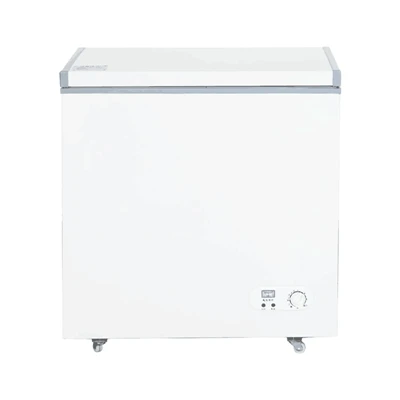
First, let’s get one thing out of the way right now: not all refrigerated display cases are created equal, and not all are suitable for pharmaceutical storage. The term “refrigerated display case” is broad. When most people hear that phrase, they picture the curved, self-contained units you see at a convenience store that hold soda cans or pre-made sandwiches. These units are built for low upfront cost, ease of restocking, and maintaining a cold enough temperature to keep food from spoiling during a few hours of being on display. But pharmaceuticals—especially temperature-sensitive ones like biologics, vaccines, insulin, and compounded medications—have far stricter requirements. The FDA, WHO, and most national health regulatory bodies set specific temperature ranges for different drug types; for example, insulin needs to stay between 2°C and 8°C (36°F and 46°F) at all times, while some vaccines require even tighter margins, no more than ±0.5°C deviation. Food display cases? They often have temperature fluctuations of ±1°C or more, not because they’re badly made, but because their design prioritizes air circulation to keep every can of soda cold evenly, even when the door is opened multiple times an hour, over precise, consistent temperature control.
That said, some refrigerated display cases can be adapted for pharmaceutical storage—but only if they’re configured and calibrated properly, and meet a few key standards. Let’s talk about the myths first, because there are so many wrong answers floating around online. One common myth is that any refrigerated unit that holds a steady 4°C will work. That’s partially true, but only if you’re using a unit designed to monitor and log that temperature, not just keep it cold. Food display cases rarely come with built-in temperature monitoring with timestamped logs, which is a non-negotiable requirement for regulated pharmaceutical storage. Regulators want to see proof that your medication stayed within the required temperature range, and a display case’s built-in thermometer that only reads the average temperature every few hours won’t cut it. Another myth is that all display cases have harmful chemicals that can contaminate drugs. That’s true for some very old, poorly maintained units, but modern display cases use food-grade, non-toxic materials for interior liners and shelves, which are the same materials used in many pharmaceutical storage units. The difference is in the design of the airflow and the insulation, not the materials.
As a supplier, I’ve seen two main scenarios play out with pharmacy and lab customers looking at display cases. The first is the small, independent pharmacy that’s tight on budget, and wants to use the same display case they use for over-the-counter cold medicine and toothpaste to hold temperature-sensitive drugs. I always advise against this, unless they’re willing to invest in retrofitting the unit. Last year, I worked with a community pharmacy in Ohio that tried this; they bought a used glass display case for half the price of a new pharmaceutical refrigerator, and within three months, they had a whole batch of expired insulin because the unit’s temperature spiked to 12°C for 8 hours when the door was left ajar during a restock. They didn’t have a temperature alarm, so they didn’t find out until a routine audit. By then, 500 vials of insulin were useless, and they had to pay a $2,000 fine from the state board of pharmacy. That’s a costly mistake that could have been avoided if they’d either upgraded the display case with a proper temperature monitoring system, or just skipped the display case entirely for temperature-sensitive drugs.
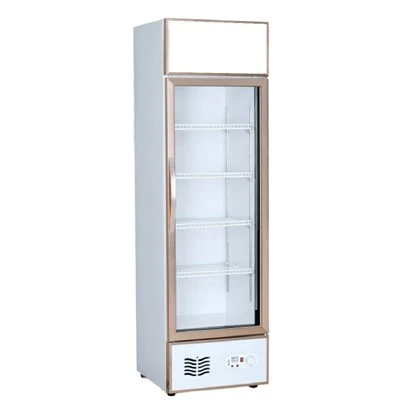
The second scenario is the specialty pharmacy or compounding lab that has a line of pharmaceutical display cases—units that are specifically designed to meet both retail display needs and pharmaceutical storage standards. These units aren’t the same as grocery store display cases, but they do fall under the broader umbrella of refrigerated display equipment. Let’s go over what makes these units different. First, they have precise temperature control: most pharmaceutical display cases can maintain a temperature range of ±0.3°C, which is tight enough for even the most sensitive biologics. They also have built-in, continuous temperature monitoring with timestamped logs that can be exported for regulatory audits—something that’s required by the FDA’s 21 CFR Part 11 for electronic records, and by similar rules in most countries. Second, these units have air flow systems that are designed to minimize temperature spikes when the door is opened. Grocery store display cases move a lot of air to keep every product cold, which means when you open the door, cold air rushes out, and the unit has to work hard to cool it back down, leading to fluctuations. Pharmaceutical display cases use more controlled, laminar air flow—air that moves in a smooth, even stream across the interior, so when the door is opened, the air loss is minimal, and the temperature bounces back quickly. Third, these units are designed to be cleaned easily, and have no hard-to-reach crevices where mold or bacteria can grow, which is important for avoiding cross-contamination between drugs.
Now, let’s talk about when a refrigerated display case is a good choice for pharmaceutical storage, and when it’s not. Display cases are ideal for medications that need to be accessible to patients or staff, like insulin that’s kept on the pharmacy counter, or over-the-counter vaccines that are stored on a visible shelf. They’re also great for small clinics or urgent care centers that don’t have space for large, under-counter pharmaceutical refrigerators, and need to display a limited number of temperature-sensitive drugs. Where display cases fall short is for long-term storage of bulk medication, or for large batches of biologics that need to be kept in a stable environment for weeks or months. In those cases, a static pharmaceutical refrigerator (not a display unit) is a better choice, because it has more insulation and lower energy costs over time, and is designed to hold larger loads without temperature fluctuations.
Another key point to consider is maintenance. All refrigeration units, whether they’re display cases or static fridges, need regular maintenance to keep working properly. For pharmaceutical display cases, maintenance is even more critical, because a small issue like a dirty air filter or a faulty thermostat can lead to temperature spikes that ruin medication and get you in trouble with regulators. As a supplier, I always include a maintenance schedule with every pharmaceutical display case I sell. That means checking the door gaskets every month to make sure they’re sealing tight, cleaning the air filters every two weeks, and calibrating the temperature sensor every quarter. I also sell aftermarket temperature loggers and alarm systems that can be added to any display case, even if it wasn’t originally designed for pharmaceutical use. For example, last year I worked with a small research lab that used a standard grocery store display case to store small batches of monoclonal antibodies. They couldn’t afford a new pharmaceutical display unit, so we installed a high-precision temperature logger that alerts their manager if the temperature goes above 8°C, and we calibrated the unit’s thermostat to reduce its temperature fluctuations. It’s been working perfectly for over a year, and they’ve had no issues with regulatory inspections.
I want to be clear here: I’m not saying that all refrigerated display cases are safe for pharmaceutical storage, and I’m not saying that you should skimp on equipment to save a few dollars. What I am saying is that if you do your research, choose the right type of display case, and invest in the necessary monitoring and calibration, display cases can be a practical, space-efficient solution for many pharmaceutical storage needs. I’ve seen it work for small pharmacies, urgent care clinics, and even small biotech labs. I’ve also seen the mistakes that happen when people cut corners, and I can tell you that the fine or the loss of medication is never worth the upfront savings.
If you’re a pharmacy manager, clinic director, or lab owner who’s trying to figure out the best refrigeration setup for your temperature-sensitive medications, don’t hesitate to reach out. I’ve spent years helping businesses like yours navigate the line between food-grade and pharmaceutical-grade refrigeration, and I can help you assess whether a refrigerated display case is right for your needs, or if you should consider other options. We can talk through your specific inventory, your space constraints, and your regulatory requirements, and I can provide you with customized recommendations for units, monitoring systems, and maintenance plans that fit your budget. Whether you need a single display case for your countertop insulin supply, or a full set of units for a large pharmacy chain, I’m here to help you make a safe, cost-effective choice for your patients and your business.
Beverage Cooler References:
World Health Organization. (2019). Guidelines for the Storage and Transport of Vaccines. Geneva, Switzerland: WHO Press.
U.S. Food and Drug Administration. (2021). 21 CFR Part 11 – Electronic Records; Electronic Signatures. Silver Spring, MD: FDA.
International Society for Pharmaceutical Engineering. (2020). Pharmaceutical Cold Chain Storage and Distribution Standards. Tampa, FL: ISPE.
National Association of Boards of Pharmacy. (2022). Model State Pharmacy Act and Rules. Mount Prospect, IL: NABP.
Zhejiang Xingbao Electrical Appliances Co., Ltd.
As one of the most professional refrigerated display cases manufacturers and suppliers in China, we also support customized service. Welcome to wholesale bulk high quality refrigerated display cases in stock here from our factory. If you have any enquiry about pricelist, please feel free to email us.
Address: No.10 Baisha Road, Lianhang Development Zone, Chang’an Town, Haining City, Jiaxing City, Zhejiang Province, China
E-mail: zjxingbao@gmail.com
WebSite: https://www.sunborncn.com/
