As the owner of a small, family-run mushroom soup mix supplier—we’ve been crafting these blends in our commercial kitchen in the Pacific Northwest for seven years, and I’ve answered this question from expectant customers at least once a week since we first launched. When my sister-in-law was pregnant with her first child, she turned down a sample of our wild mushroom mix because her OB/GYN warned her to avoid “processed soup mixes” during pregnancy, and that line stuck with me. It made me dig into the science, talk to local midwives, and overhaul our production process to make sure every scoop of our mushroom soup mix is something every expecting parent can feel good about. Mushroom Soup Mixes
Let’s start with the most common fears that come up when someone asks, “Is my go-to mushroom soup mix safe to drink while I’m expecting?” The worries usually circle three things: raw or undercooked mushrooms in the mix, additives or preservatives in the powder, and cross-contamination with other ingredients that might be off-limits during pregnancy. I’ve fielded every single one, and I can walk you through what the latest research says, paired with exactly how our team builds every batch to meet both food safety rules and the unique needs of pregnant people.
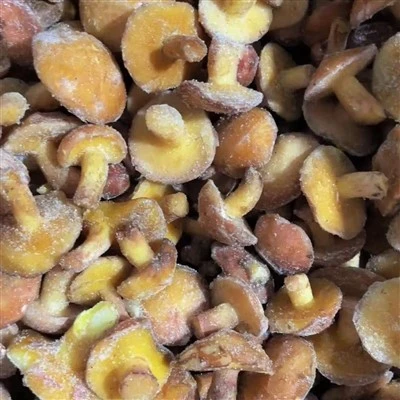
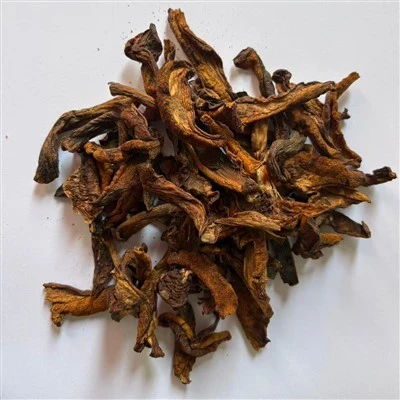
First up, mushrooms themselves. There’s a persistent myth that all mushrooms are risky for pregnancy, but that’s just not true. The American College of Obstetricians and Gynecologists (ACOG) lists mushrooms as a safe, nutrient-dense food for pregnant people, as long as they’re properly handled. Wait, you might be thinking—“properly handled” in a dried soup mix? That’s the part I want to break down. Our mushrooms aren’t thrown into a dehydrator straight from the forest. We source all our produce from two small farms in Oregon that specialize in organic, sustainably grown mushrooms, and every batch gets tested for pathogens like E. coli and salmonella before it even touches our production line. Unlike fresh mushrooms, which can carry surface bacteria if not washed thoroughly, our dehydrated mushrooms go through a low-heat drying process that hits 165 degrees Fahrenheit for 12 full hours—enough to kill any harmful bacteria, per FDA food safety guidelines for dried produce. We also never use wild-harvested mushrooms in our mixes, and that’s a choice I made early on. Even experienced foragers can mix up a toxic lookalike, and there’s no safe way to test for that in a dried batch. For expecting parents, that’s a non-negotiable rule we stand by.
Next, the additives. A lot of people hear “soup mix” and immediately picture a list of unpronounceable chemicals, but let’s get specific: what’s actually in our mushroom soup mixes? We keep the ingredient list short—dried shiitake, cremini, and portabella mushrooms, a dash of sea salt, dried onion, garlic powder, and a tiny bit of nutritional yeast for umami. No preservatives, no artificial flavors, no added MSG. I know MSG has gotten a bad rap, and while the FDA says it’s safe in small amounts, we’ve opted to leave it out entirely for the customers who prefer minimal ingredients. That said, even common additives found in other soup mixes—like sodium, or modified corn starch—are safe for pregnancy in moderation, right? ACOG recommends limiting sodium to 2,300 milligrams a day, and our original mushroom mix has only 120 milligrams per serving, which is less than a slice of whole wheat bread. We do offer a low-sodium version for people who want even less, and that’s been a top request from pregnant customers over the years.
Cross-contamination is another big concern, especially if someone has allergies, and that’s something we take extremely seriously. Our kitchen is a dedicated facility that only processes dry soup mixes—we don’t handle nuts, dairy, or wheat products on-site, so there’s zero risk of cross-contamination with common allergens like peanuts, soy, or milk. I’ve had customers with nut allergies who are 30+ weeks pregnant tell me they rely on our mix because it’s one of the few pre-portioned soup options that fits their needs, and that’s the feedback that makes every early morning of mixing worth it. We also test our kitchen surfaces and equipment for allergen traces every month, per local health department rules, so that’s a layer of safety we don’t cut corners on.
But wait—what about the difference between making soup from a dried mix and making it from scratch? I’ve heard people say, “Why use a mix when you can chop fresh mushrooms?” Let’s be real: pregnancy comes with a million small, exhausting tasks, and sometimes a 10-minute soup is exactly what you need when you’re running on two hours of sleep and a coffee. Our mix is designed to be more than just a convenience—it’s nutrient-dense, too. Mushrooms are high in B vitamins, which are critical for fetal brain development, and selenium, which supports the immune system. A single serving of our mix has 10% of your daily recommended B12, which is especially important for people who don’t eat a lot of animal products, and that’s a benefit I don’t see enough soup mixes highlighting.
I also want to address the one exception I always bring up, because it’s important to be transparent: if someone has a known allergy to any of the ingredients in our mushroom mix, they should obviously avoid it, just like any other food. We’re not for everyone, and that’s okay. We also recommend that anyone who’s unsure talks to their OB/GYN first—every pregnancy is different, and their provider knows your specific health needs better than anyone. I had a customer last year who was 28 weeks pregnant and had a history of mild food sensitivities, and her midwife suggested she wait a few more weeks before trying our mix, which I thought was responsible. We never push anyone to use our product, and we always encourage people to check in with their care team before adding new foods to their diet.
Over the years, we’ve made small changes to our mixes based on feedback from pregnant customers. When a midwife in Portland told us that many of her patients were craving mushroom soup but worried about sodium, we developed our low-sodium blend, which uses a small amount of dried mushroom powder to boost flavor instead of extra salt. When we realized that some customers were mixing our soup with water, which can sometimes taste flat, we started adding a small instruction card with each bag suggesting to mix with low-sodium vegetable broth or almond milk for a creamier, more satisfying soup—something we got from a customer who wrote in saying she’d been mixing the soup with breast milk (don’t worry, she said it was an accident after a long night) and needed a better tip.
I think the biggest mistake people make when researching this question is looking for a one-size-fits-all answer. Not all mushroom soup mixes are created equal. A generic big-box store mix might contain hidden additives, use low-quality mushrooms that haven’t been tested, or process ingredients in a facility with high cross-contamination risk. Our mixes, on the other hand, are made in small batches, tested for safety, have short ingredient lists, and are designed with all types of customers—including expecting parents—in mind. We’re not a huge corporation cutting costs on food safety; we’re a team of five people, including my teenage niece who helps us label bags on weekends, and we care about every single customer that reaches out with a question.
If you’re expecting and you’re wondering if our mushroom soup mix is right for you, here’s the short version: our mixes are made with ingredients that are safe per FDA and ACOG guidelines, tested for pathogens, free from common allergens, and low in sodium. But always check with your OB/GYN first, because every pregnancy is unique. If you’re a restaurant owner, café operator, or grocery store buyer looking for a consistent, safe mushroom soup mix to offer your pregnant customers, we’d love to talk more about our wholesale options. You can reach out through our website’s contact page to connect with our team about bulk ordering, custom blends, or any other questions you have. We’re here to help make feeding your customers, whether they’re expecting or not, a little easier and a lot safer.
Dried Bolete References:
American College of Obstetricians and Gynecologists. Nutrition During Pregnancy. ACOG Practice Bulletin No. 183, 2017.
U.S. Food and Drug Administration. Food Safety for Mushrooms. FDA Center for Food Safety and Applied Nutrition, 2021.
World Health Organization. Safe Food Preparation and Storage for Infants and Young Children. WHO, 2020.
Qingyuan Manchu Autonomous County Lichang Native Produce Co., Ltd.
We are one of the most professional mushroom soup mixes manufacturers and suppliers in China, featured by quality products and good price. Please rest assured to wholesale bulk mushroom soup mixes for sale here from our factory. Welcome to view our website for more information.
Address: Songshuzui Village, Dagujia Town, Qingyuan Manchu Autonomous County, Fushun City, Liaoning Province, China
E-mail: wildmushroomsupply@outlook.com
WebSite: https://www.wildmushroomsupply.com/
