If you’ve ever strolled through a neighborhood park on a crisp autumn evening, the glow of a community fire pit probably feels like one of the coziest, most unifying parts of the experience. Neighbors laughing over s’mores, kids chasing fireflies, and the soft crackle of flames turning a regular weekday into a memory—there’s a reason these spaces have become such a staple in shared outdoor areas. But as a steel fire pit supplier, I get asked a question more often than you might think: Can a personal steel fire pit really be used in a community fire pit area? Steel Fire Pit
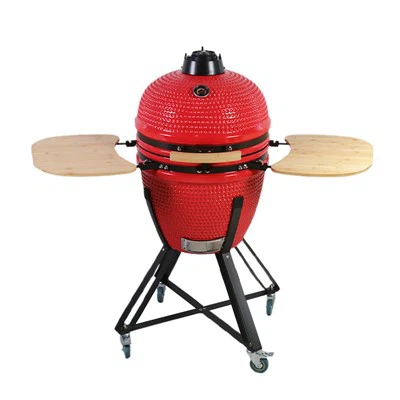
It’s a fair question, and one I don’t take lightly. For years, there’s been a myth floating around that community fire pits are only meant for heavy, pre-installed concrete or cast-iron structures. Or that personal steel fire pits, the ones many of us keep in our backyards, don’t measure up to the standards set for shared public spaces. But after talking to park rangers, fire safety experts, and hundreds of community association managers, I’m here to tell you: yes, a well-designed steel fire pit can absolutely be used in a community fire pit area—if you know what to look for, and if you follow the right rules. Let’s break this down, because this is about keeping everyone safe, making sure these spaces last, and letting more people enjoy that community warmth without stress.
First, let’s clear up the core difference between a backyard steel fire pit and a community fire pit. A backyard steel pit is built for one or two families, in a private space with more flexibility. A community fire pit is a shared asset, used by dozens of people over weekends, holidays, and even weekly gatherings. That means it has to hold up to more wear and tear, meet stricter safety codes, and be easy to use for people who might have never lit a fire before.
Not all steel fire pits are created equal, though. The key is grade of steel. Backyard pits might use mild steel, which is affordable but thin—perfect for occasional backyard use, but it warps, rusts, and loses its shape quickly when exposed to frequent use, heavy winds, or the fluctuating temperatures of a public space. A high-quality steel fire pit, the kind we supply, is made from thick, heat-resistant carbon steel—usually 3mm or thicker, not the flimsy 1mm steel you might pick up at a big-box store. This thickness isn’t just for durability; it’s for safety too. Thicker steel absorbs and distributes heat more evenly, so the outer rim of the pit stays cool enough to touch, even after hours of use. That’s a big deal for community areas, where kids might run by and touch the edge, or guests might set their mugs or blankets down nearby.
I learned this lesson early on, when a community association in Ohio reached out to us a few years back. They’d installed a set of cheap, thin steel fire pits for their lakefront area, and within six months, half of them had bent out of shape. A few even had small rust holes after a single winter, because the steel wasn’t treated for weather resistance. They told me they’d almost given up on using fire pits at all, worried about liability and replacing the structures every year. That’s when we worked with them to swap out their old pits for our heavy-gauge, powder-coated steel models. Powder coating is another non-negotiable for community use, by the way. It’s a baked-on finish that seals the steel from rain, snow, and UV rays—no chipping, no peeling, no rust. A bare steel pit might look fine for a few months, but after a year of being exposed to the elements in a public space, it’ll start corroding, which weakens the structure over time.
Now, let’s talk about fire safety, which is the biggest concern for anyone managing a community space. The National Fire Protection Association (NFPA) has specific guidelines for fire pits in shared areas, and steel pits have to meet those just like any other structure. One of the most important NFPA rules is that the fire pit has to be elevated at least 12 inches off the ground, with a non-combustible base around it. A good steel fire pit is designed with raised legs or a built-in base that lifts it above grass, mulch, or gravel. Our pits, for example, have adjustable legs so you can set them level on uneven ground, which is common in park areas, and the base of the pit is lined with a heat-resistant steel panel that prevents embers from reaching the ground. That’s not a feature all cheap steel pits have—many are just open-bottomed, which means embers can drop through and start a fire in dry grass or leaves.
Another fire safety point: ventilation. Community fire pits need good airflow to keep the fire burning consistently, without producing too much smoke. Too much smoke is a problem for everyone nearby, especially people with respiratory issues or families trying to hold conversations. Well-designed steel fire pits have openings along the sides of the pit, called air vents, that pull oxygen into the fire from the bottom, which makes the burn more efficient and cuts down on excess smoke. I’ve seen other steel pits that are completely enclosed or have tiny vent holes, and they produce so much smoke that no one wants to sit near them after ten minutes. That’s not just a nuisance—it’s against many local fire codes, which restrict the amount of smoke a fire pit can produce in a public area.
But here’s the thing: even if you have the best steel fire pit in the world, it won’t work in a community area unless the community’s rules allow it. That’s why the first step is always to check with your local park or community association before bringing a steel pit to a shared space. Some areas have specific size limits for fire pits, to make sure the fire is contained. Our standard community fire pits are 36 inches in diameter, which is the most common size allowed in public areas—big enough to hold a good fire, but small enough to prevent it from spreading beyond the pit. A 48-inch pit might be too large for some spaces, which is why we also offer custom sizes for areas that have different requirements.
I also always recommend that communities have a few clear guidelines posted near the fire pit area, regardless of what kind of pit they use. These should include things like no accelerants (gasoline, lighter fluid, etc.), keeping a bucket of water or a fire extinguisher nearby, never leaving a fire unattended, and making sure kids and pets are supervised. These rules apply to every fire pit, not just steel ones, but having them posted helps everyone feel comfortable using the space, no matter how experienced they are with fire pits.
Over the years, I’ve heard a lot of concerns from community managers about using personal steel fire pits in shared areas. Some worry that people will leave their fires burning too late, or that they won’t extinguish them properly. Others are worried about people moving the pits around, which could knock them over onto flammable materials. The good news is that all of these issues can be solved with the right type of steel fire pit, and a little education for the people using it. Our community steel fire pits have a heavy, stable base that’s hard to tip over, even in strong winds, and we always include a detailed guide on how to light and extinguish the fire safely. We also work with many community associations to host small workshops at the start of the season, teaching people how to use the fire pit properly, which cuts down on accidents and misuse.
Last year, I visited a small community in rural Indiana that installed our steel fire pits in their town square area. The association had been using concrete fire pits for years, but they were expensive to maintain—they cracked in the freeze-thaw cycles, and they were so heavy that no one could move them if they needed to reconfigure the space for farmers’ markets or holiday events. They switched to our steel pits, and within a few months, the town told me the fire pit area was more popular than ever. Neighbors liked that they could pull up chairs close to the fire without worrying about the concrete edge being too cold, and the town was able to move the pits when they needed to, which made their events so much easier. The only issue they had at first was a few people forgetting to extinguish their fires properly, so we worked with them to add a small sign that said “Extinguish completely with water, not just dirt” and hosted a quick workshop. Now, they haven’t had a single fire safety issue in a year and a half.
Another advantage of steel fire pits for community areas is that they’re customizable. We can add features like a built-in grill grate, so people can cook hot dogs or s’mores over the fire without bringing their own equipment. We also offer options for mesh spark screens, which keep embers from flying out of the pit and onto nearby trees or buildings. Spark screens are especially important in dry areas, like California or the Southwest, where wildfire risk is high. A steel spark screen is durable enough to last through frequent use, unlike a glass screen, which can crack if it gets too hot or is exposed to the elements.
I know that for some people, the idea of using a personal fire pit in a community space still feels risky. But when you choose a high-quality steel fire pit, built to meet fire safety standards and designed for frequent public use, it’s every bit as safe and reliable as any other type of fire pit. The key is to do your research, check with your local authorities, and make sure the pit you’re using is built to handle the demands of a shared space.
At the end of the day, community fire pits are about connection. They’re the places where a new neighbor can ask for a s’more recipe, where old friends can catch up, and where kids can have safe, fun memories outdoors. No matter what kind of fire pit you use, if it’s well-made, safe, and used responsibly, that warmth and connection is what matters most.
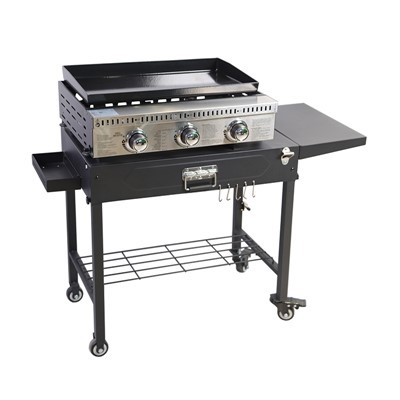
If you’re a community association, park manager, or local government looking to install fire pits in a shared area, and you want to learn more about how our steel fire pits can fit your needs, we’d be happy to walk you through the process. We can provide information on fire safety certifications, custom sizing, and even maintenance tips to make sure your fire pit area works for years to come. Just reach out to us to start a conversation about your project.
Cast Iron Fire Pit References
National Fire Protection Association. (2022). Standard for Fire Pits, Outdoor Fireplaces, and Similar Outdoor Burning Devices. NFPA 317.
U.S. Consumer Product Safety Commission. (2021). Outdoor Fire Pit Safety Guidelines for Public and Shared Spaces. CPSC Publication 525-21.
Steel Construction Institute. (2020). Durability of Structural Steel for Outdoor Recreational Applications. SCI Technical Report T327.
National Recreation and Park Association. (2023). Guidelines for Community Outdoor Fire Spaces. NRPA Best Practices for Public Parks.
Huzhou Blue Carp Co., Ltd.
With abundant experience, we are one of the most professional steel fire pit manufacturers in China. Please rest assured to wholesale cheap steel fire pit for sale here from our factory. If you have any enquiry about custom service, please feel free to email us.
Address: Longxi Subdistrict, Huzhou South Taihu New Area, Huzhou City, Zhejiang Province, China
E-mail: tonycheung@bluecarpbbq.com
WebSite: https://www.bluecarpbbq.com/
