If you work in process control, whether you run a refinery, a chemical plant, a water treatment facility, or a food and beverage production line, you know how critical Fisher valves are. These precision-engineered parts don’t just regulate flow—they keep operations safe, efficient, and compliant with strict industry standards. But when a valve part wears out, fails unexpectedly, or needs a replacement to match a system upgrade, the biggest headache most operators face is this: How do I find Fisher valve parts near my location? Fisher Valve Parts

I’ve been in this game for over a decade, and as a local Fisher valve parts supplier, I’ve helped hundreds of plant managers, maintenance leads, and instrumentation technicians solve this exact problem. I’ve heard every frustration: waiting days for a part to ship from out of state, getting the wrong component that doesn’t fit, or paying premium overnight shipping just to keep a line running. That’s why I’m breaking down the real, actionable steps to source authentic, compatible Fisher valve parts close to you—no guesswork, no runaround.
First, let’s get one thing straight: not all “Fisher valve parts” are created equal. Fisher (a part of Emerson since 1992) builds its parts to exacting tolerances for temperature, pressure, and chemical compatibility. Knockoffs, generic replacements, or parts from unvetted sellers might fit temporarily, but they’ll fail prematurely, cause unplanned downtime, or even create safety hazards in high-risk environments. When you’re searching for parts near your location, prioritizing authentic, OEM-grade components should be your first non-negotiable.
Step 1: Start with Vetted, Local Fisher Authorized Distributors
This is the most reliable starting point, and it’s designed to cut out the guesswork. Fisher’s official authorized distributor network is mapped across every region, and these are the only partners that stock genuine, factory-tested parts with full documentation and warranty support. How do you find them near you? Don’t rely on generic search engines’ top results (many unvetted sellers pay to rank higher). Instead, head to Fisher’s official site—wait, no, let’s get practical: most plant teams I work with skip the official directory’s clunky filters and instead search for “Fisher authorized distributor [my city/region].” But here’s a pro tip: look for distributors that specialize exclusively in process control components, not just general industrial supplies. They’ll have dedicated teams that know Fisher’s product lines inside and out—whether you need a replacement diaphragm for a 2-inch control valve, a positioner kit for a pneumatic actuator, or a custom trim set for a high-pressure application.
As someone who’s worked with these distributors, I’ll tell you what makes a good one: they keep common Fisher parts in stock locally, so you don’t wait days for shipping. For example, if you’re in the Gulf Coast, where refineries and chemical plants are concentrated, local authorized distributors keep thousands of SKUs on hand—from small O-rings to large actuator assemblies—so you can pick up a part on the same day if you’re in a pinch. I’ve seen teams drive 20 minutes to grab a emergency valve repair kit that would’ve taken 3 days to ship cross-country, saving them tens of thousands in lost production.
Step 2: Verify Compatibility Before You Buy (This Is Make-or-Break)
One mistake I see all the time: someone buys a Fisher part that looks right, only to find it doesn’t fit their specific valve model. Fisher valves have dozens of variations for every line size, pressure rating, and application. A part for a Fisher GX control valve won’t work for a Fisher EZ valve, even if they look similar. And generic cross-references online? Almost never accurate.
When you’re talking to a local supplier, have these details ready—they’ll ask for them, and if they don’t, that’s a red flag. First, your valve’s serial number. Every Fisher valve has a unique serial number stamped on the body (it’s usually a 6- to 12-digit code). That number pulls up the exact build specifications: model number, year of manufacture, pressure class, material of construction, and any custom modifications from the factory. Second, if you don’t have the serial number at hand, bring a photo of the valve’s nameplate and a note of what part is failing. For example, “I need a replacement stem guide for my Fisher 3-inch valve at Unit 2, which regulates crude oil flow.” A good local Fisher supplier will cross-reference that with their database to confirm the exact part number, no guesswork.
This is where local suppliers shine. Out-of-state sellers might only have generic part numbers, but a local team can often pull your valve’s spec sheet on the spot, even if you call them from the plant floor mid-emergency. Last year, a maintenance tech at a Midwestern chemical plant called me at 8 a.m. because their valve’s diaphragm ruptured overnight—they were running a batch of specialty chemicals and couldn’t shut down the line without it. I pulled their valve’s serial number, confirmed the exact diaphragm part, and they picked it up 25 minutes later, avoiding an estimated $12,000 in lost production. That’s the difference between a local expert and a random online seller.
Step 3: Use Local Industrial Supply Networks and Peer Recommendations
Fisher authorized distributors aren’t the only game in town, especially for older or legacy Fisher valves. If your plant has a valve that’s 10, 20, even 30 years old, original factory parts might be discontinued, and authorized distributors might not keep those in stock. That’s where local industrial parts networks and peer recommendations come in.
I’ve built relationships with other local suppliers over the years that specialize in obsolete process control parts. They source from old Emerson surplus, retired plant equipment, or precision machine shops that remanufacture Fisher parts to OEM specs. The key here is to stick to trusted names in your area—ask other plant managers at nearby facilities who they use for legacy parts. In the industrial world, reputation is everything. If a peer says “that local shop on Main Street has the best legacy Fisher parts for old E-series valves,” you can trust that over a random Google ad.
Another thing: local industrial trade associations (like the ones for refineries, water utilities, or food processing in your state) often have member directories of parts suppliers that are vetted for quality and reliability. For example, the Texas Independent Refiners Association or the American Water Works Association’s local chapters regularly curate lists of trusted valve part suppliers, so you don’t have to sift through dozens of unvetted options.
Step 4: Watch Out for Red Flags When Sourcing Locally
When you’re searching for Fisher valve parts near you, it’s easy to get swayed by low prices, but don’t let that be the only factor. I’ve seen too many teams cut corners here, and the costs add up fast. Here are the red flags I advise everyone to avoid:
First, a supplier that won’t provide a part number or serial number cross-reference. If they say “that’s a standard Fisher part, it’ll fit,” walk away. Standard Fisher parts only exist for specific models, and even minor variations can cause failures. Second, no warranty or documentation. Genuine Fisher parts come with a factory warranty (usually 12 months from purchase) and material certificates for compliance. If a local seller can’t provide that, it’s likely a knockoff or remanufactured part that isn’t tested to Fisher’s standards. Third, a supplier that only stocks a handful of Fisher parts and specializes in generic goods. They might have a few Fisher parts, but they won’t have the expertise to verify compatibility, and if you have an emergency, they won’t be able to get you the right part fast.
I also get questions all the time about online marketplaces like eBay or Alibaba for local parts. Sure, you might find a part listed as “Fisher valve part near [your city],” but most of those are from sellers across the country, and the “local” listing is just a zip code filter. I’d only use marketplaces for parts if the seller is a verified local supplier with reviews from process control professionals, and even then, I’d double-check the part number and warranty before driving to pick it up.
The Local Advantage: More Than Just Fast Delivery
Let’s be clear: sourcing Fisher valve parts near your location isn’t just about speed (though that’s a huge win for avoiding downtime). It’s also about support. When you work with a local supplier, you don’t have to navigate a 1-800 call center or wait for an email reply that takes 24 hours. If you have a question about installation, or if you’re not sure if a part will work for a new application, you can stop by their shop, talk to an expert who knows Fisher valves, and even ask for help inspecting the part before you buy.
Last year, a food and beverage plant in Ohio was upgrading their sanitary processing lines and needed to convert a few Fisher control valves for food-grade service. The local authorized distributor I work with not only had the correct trim kits, but also sent a technician to the plant to walk the maintenance team through the installation, making sure they complied with 3-A sanitary standards. That’s the kind of value you don’t get from a distant seller.
Final Step: Reach Out to a Trusted Local Supplier for Your Needs
At the end of the day, the best way to find Fisher valve parts near your location is to connect with a local provider that specializes in authentic, OEM-grade components and has a track record of working with process control teams. Whether you need an emergency part to fix a failed valve, a replacement for an obsolete legacy model, or custom parts for a system upgrade, a local supplier understands your industry’s unique needs, keeps parts in stock when you need them, and can help you avoid costly mistakes.
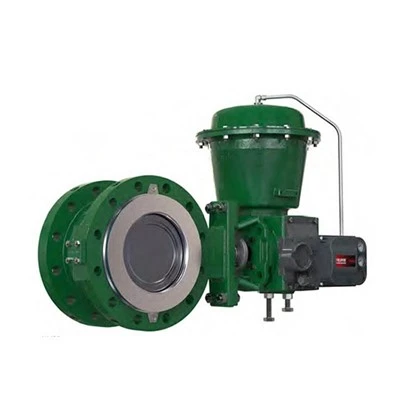
If you’re tired of waiting for out-of-state shipments, dealing with incompatible parts, or paying premium prices for emergency orders, don’t settle for generic replacements or unvetted online sellers. Reach out to a trusted local Fisher valve parts supplier today to discuss your needs—bring your valve’s serial number, part number, or a photo of the nameplate, and their team will help you find the exact part you need, ready for pickup near your location. No guesswork, no downtime, no stress.
References
Control Valve Fisher Control Valves: Product Catalog and Authorized Distributor Network Guidelines. Emerson Process Management, 2023.
Process Industries Association of America: Local Supplier Vetting Standards, 2022.
Occupational Safety and Health Administration (OSHA): Guidelines for Industrial Valve Maintenance and Replacement, 2021.
Century Weiye (Dalian) Control Equipment Co., Ltd.
As one of the leading fisher valve parts manufacturers and suppliers in China, we warmly welcome you to buy discount fisher valve parts in stock here from our factory. If you have any enquiry about quotation, please feel free to email us. Quality products and reasonable price are available.
Address: 2205, Building 8, Red Star International, Ganjingzi District, Dalian City, Liaoning Province
E-mail: serena@valve-sjwy.com
WebSite: https://www.valve-sjwy.com/
