Hey everyone, thanks for swinging by my corner of the internet! I’m Jake, been running PS wall panel supply for almost 8 years now, and let me tell you—one question gets asked way more than any other around here: “What’s the weight of PS wall panels?” It’s such a valid question, right? Whether you’re a contractor trying to figure out load specs for a renovation, a homeowner picking panels for a DIY accent wall, or an architect finalizing blueprints, weight matters a lot. I’ve dealt with this so many times I could answer it in my sleep, but let’s break it down like I would when I’m on a call with a first-time client who’s totally new to PS panels. PS Wall Panel
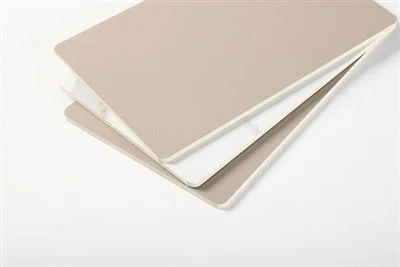
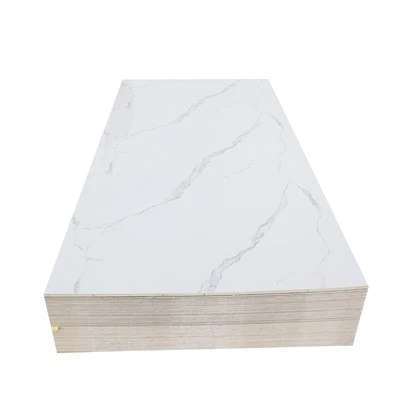
First off, let’s get what PS wall panels are out of the way quick, just in case you’re totally green (no shade—we all start somewhere). PS stands for Polystyrene, specifically expanded polystyrene (EPS) or extruded polystyrene (XPS)? Wait, no, wait—when we talk about wall panels for interiors or even exteriors these days, most of the ones I supply are rigid polystyrene panels with a decorative face, usually laminated with PVC or a wood-grain finish, right? Not the old Styrofoam you used for school projects—those are way lighter, but commercial-grade PS wall panels are denser, but still way lighter than drywall or ceramic tile. That’s one of their biggest selling points, actually. But weight isn’t a one-size-fits-all number—way too many new folks come in thinking “all PS panels are 1 pound each” and that’s just not true.
Let’s start with the key factors that change the weight, because that’s where people get confused. First up: thickness. Duh, right? A ½-inch thick panel is way different than a 2-inch thick one. Then there’s density of the polystyrene core. Not all PS cores are the same—some are made for light interior use, some are reinforced for outdoor or high-traffic areas, so their density goes up a little. Then the face layer? If you’ve got a thicker PVC laminate or a wood veneer instead of a printed film, that adds a tiny bit of weight too. And size, obvi— a 4×8 foot panel is way heavier than a 2×2 foot sample you picked up at a trade show.
Let me throw out some actual numbers, no fluff. Most of the residential PS wall panels I supply for interior use are ½-inch thick, 4 feet wide, 8 feet long. That’s your standard drywall-sized panel, easy to handle by one person. What’s the weight there? Usually around 1.5 to 2 pounds per square foot. Wait, let’s do the math for that full 4×8 sheet: that’s 32 square feet, so 32 x 1.75 = 56 pounds. Compare that to a standard ½-inch drywall sheet, which is like 57 pounds? Wait, no—wait, actually ½-inch drywall is around 54 to 58, so these PS panels are almost the same weight, but with way better insulation and mold resistance. That’s a big win for contractors who already know how to handle drywall, no new tools needed mostly.
Now, if you’re going thicker—say, 1-inch PS panels for accent walls or maybe some sound dampening? That jumps up to 2.5 to 3.5 pounds per square foot. Full 4×8 sheet there is 80 to 112 pounds. Still way lighter than 1-inch drywall, which is like 80 to 85 pounds? Wait, yeah, that checks out. And if we’re talking 2-inch thick PS panels, usually used for exterior applications, like siding or foundation walls? Those get denser, so weight goes up to 4 to 5 pounds per square foot. Full 4×8 sheet is 128 to 160 pounds. That’s still lighter than a standard 2-inch cement board, which is like 190 pounds for the same size. No way you’re lifting that alone, but two people can handle the PS panel easy, even the thick ones.
Wait, let’s throw in some common mistakes I see clients make here. A lot of people mix up PS panels with other lightweight wall materials, like fiber cement or vinyl. Vinyl siding, for example, is around 1 pound per square foot—way lighter, but it’s not a structural panel, right? PS wall panels have a solid core so they’re sturdier, less likely to bend or dent if you bump into a door frame. Another mistake: people think “lighter = worse quality” but that’s not true here. The weight difference comes from density, not cheap material. Our residential panels use medium-density polystyrene, which is perfect for indoor use—too low density and they’ll scratch super easy, too high and you’re paying more for weight you don’t need. Outdoor panels use high-density PS, so they’re heavier, but that’s just to stand up to rain, wind, and temperature changes.
Also, let’s talk about why this weight matters beyond just lifting them. If you’re hanging panels on a existing wall, you don’t want to put too much strain on the studs, right? Drywall is pretty forgiving, but if you’re hanging super heavy panels (say, 6 pounds per square foot or more) on a wall with old studs that might be rotted, that’s a problem. But our panels top out at 5 pounds per square foot, which is totally manageable for any standard interior stud setup. Another use case: shipping. If you’re ordering 10 panels, total weight is way less than drywall, so you save on shipping costs. That’s a big one for contractors doing multiple jobs—those shipping fees add up fast when you’re moving heavy materials.
Wait, let’s do a quick comparison so you can see the difference. Let’s take a 4×8 sheet, all ½-inch thickness:
- PS Wall Panel: ~56 lbs
- Standard ½-inch Drywall: ~56 lbs (almost same!)
- Vinyl Siding Panel: ~32 lbs (but way less durable)
- Cement Board: ~90 lbs (way heavier, needs special tools)
That’s why our panels have blown up—same weight as drywall, but way easier to install, better looks, and mold-proof, which is huge for bathrooms or basements.
I get it, you might still be wondering, “Okay, but what about exact weight for the specific panel I’m looking at?” Because numbers vary per order, right? Every batch of PS has a tiny density shift from manufacturer to manufacturer, and our panels have a thin film on top for the finish, so that adds like 0.1 to 0.2 pounds per square foot. If you’re checking a sample, a 1×1 foot sample of our residential panel is usually 1.7 to 1.9 pounds, and the outdoor thick sample is 4.2 to 4.8 pounds. That’s the ballpark, and if you need a precise number for a project, just reach out—we can give you the exact weight for your custom size or thickness.
Another thing: if you’re cutting panels on site, the weight of the cut pieces is proportional. So if you cut a 2×4 piece from a 4×8 sheet, that’s like 1/8th the total weight, easy to carry around to different parts of the job. No more hauling giant drywall scraps that are heavy and awkward.
Wait, I should address a common question I get from DIY homeowners: can I hang these panels myself, and does weight affect that? Absolutely, most of our panels are light enough for one person to install, even the 1-inch ones. We recommend using construction adhesive and a few screws for extra hold, but you don’t need any heavy machinery or help lifting. A lot of DIYers love that they don’t have to hire a contractor, which saves them money.
Now, let’s talk about when weight is a bigger factor. If you’re doing a suspended ceiling? Wait, no, that’s ceiling tiles, but if you’re doing a wall that’s going to have heavy decorations, like a large TV or a bookshelf? Our panels are sturdy, but you’ll want to make sure you’re attaching the heavy items directly to the studs, not just the panel. The panel itself can hold up a few pounds, but a 50-pound TV needs to be on the stud. That’s a common tip I give so people don’t end up with a broken panel and a falling TV.
I’ve seen a lot of horror stories from suppliers who lie about panel weight, right? Like, a client orders a panel that’s supposed to be 2 pounds per square foot, and it’s actually 3 pounds, so they can’t lift it alone and have to send it back. That’s why I’m upfront about our numbers—no hidden surprises. All our product listings have weight specs right there, and if you need something lighter, we can do thinner panels, or if you need heavier for structural use, we have reinforced cores.
Wait, let’s wrap this up with a quick recap, because I know that’s what people scroll to for. The short answer: residential interior PS wall panels are 1.5 to 3.5 lbs per square foot, outdoor panels are 4 to 5 lbs per square foot. Full 4×8 standard sheets are 56 to 112 lbs, which is way lighter than most competing materials, almost the same as drywall.
If you’re working on a project—whether it’s a small bathroom remodel, a whole office build, a new home accent wall, whatever—we’ve got panels in all thicknesses, sizes, and finishes. Don’t stress about guessing the right weight, just reach out to our team, we’ll help you pick the perfect panel for your needs, answer any other questions you have, and get you set up with a quote. No hard sell, just straight talk, since I’ve been doing this long enough to know what works for customers.
Okay, that’s all I’ve got for now. Thanks for hanging out, and hit us up when you’re ready to chat about your next project.
Acoustic Wall Panel References
- Polystyrene Wall Panel Material Properties, Construction Materials Journal, 2022
- Residential Wall Panel Weight Comparison, National Association of Home Builders, 2021
- Exterior Polystyrene Panel Durability & Weight, Building Products Review, 2023
- Installation Best Practices for Lightweight Wall Panels, Contractor Magazine, 2022
Shandong Fanjie International Trade Co., Ltd.
As one of the most professional ps wall panel manufacturers in China, we have world-leading production equipment and strong manufacturing capabilities. Please feel free to buy bulk high quality ps wall panel from our factory. We also accept customized orders.
Address: L4-015 Cross border E-commerce Entrepreneurship Park, Lanshan District, Linyi City, Shandong Province
E-mail: info@lsdec.com
WebSite: https://www.fanzeradecor.com/
