If you’ve ever walked through a machine shop, chances are you’ve seen a vertical CNC lathe humming away, turning raw metal blocks into precision-engineered parts for aerospace, automotive, medical device, and heavy machinery industries. As a vertical CNC lathe supplier, I get asked all the time: “What cutting tools work best with these machines?” The truth is, choosing the right tool is half the battle to getting consistent, high-quality cuts, extending tool life, and keeping production on schedule. Too many machinists default to generic tools that were never designed for vertical CNC operations, leading to premature wear, part defects, and unnecessary downtime. Today, I’m breaking down the most common cutting tools for vertical CNC lathes, why they matter, and how to pick the right ones for your specific projects—no jargon, just real-world advice from someone who’s been working with these machines for over a decade. Vertical CNC Lathe
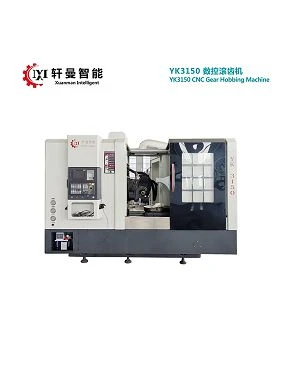
First, let’s ground this in why vertical CNC lathes are different from their horizontal counterparts. Unlike horizontal lathes, where the part spins horizontally and the tool moves alongside it, vertical CNC lathes hold large, heavy parts vertically on a rotating spindle, with the cutting tool mounted on a turret that moves along multiple axes (X, Z, and sometimes Y for complex geometries). This vertical orientation shifts gravity’s role: larger parts rest securely on the spindle, reducing vibration during cuts, but it also means chips fall differently, and tool forces act vertically rather than horizontally. That’s why generic horizontal lathe tools often underperform here. The right tool needs to account for part weight, chip evacuation, and the rigidity of the vertical machine’s spindle and turret.
Let’s start with the workhorse of vertical CNC lathe cutting: indexable turning inserts. These are the most versatile tools you’ll use, and for good reason. Indexable inserts are small, replaceable cutting tips mounted on a steel or carbide shank; when one edge wears down, you just index the insert (rotate it) to use a new sharp edge, instead of replacing the entire tool. For vertical lathes, these inserts come in a wide range of materials, coatings, and geometries tailored to different materials and operations.
Cemented carbide inserts are the most common, and for good reason—they balance hardness, toughness, and wear resistance. They work for everything from steel and cast iron to non-ferrous metals like aluminum. For high-volume, rough turning on large parts (think heavy machinery gear blanks or automotive engine blocks), you’ll want a tungsten carbide insert with a thick coating like TiN (titanium nitride) or TiCN (titanium carbonitride). These coatings reduce friction and heat buildup, which is critical for vertical operations where chips can get trapped against the part if evacuation is slow. For finishing cuts on more delicate parts, a uncoated or finely polished carbide insert will produce a smoother surface finish without leaving scratches or tool marks.
If you’re working with exotic materials like titanium, Inconel, or stainless steel, cermet inserts are another great option. Cermet is a combination of ceramic and metal, harder than standard carbide and much more resistant to heat. That makes them perfect for high-speed finishing cuts on hard alloys, which is a common task in medical device manufacturing where precision and surface finish are non-negotiable. Just note that cermet is more brittle than carbide, so they’re not ideal for heavy roughing operations where high impact is a factor—stick with carbide for that.
Next up: solid carbide end mills and drills. Wait, you might be wondering, aren’t end mills for mills? While that’s their primary use, vertical CNC lathes often have driven tooling capabilities, meaning the turret can spin small tools like end mills and drills to perform secondary operations—like milling keyways, drilling holes, or cutting slots—on a part mounted vertically. These operations are super popular for vertical lathes because they eliminate the need to move the part to a separate mill, saving time and reducing error from re-clamping the part.
Solid carbide end mills for vertical lathe driven tooling are typically small in diameter (anything from 1mm to 20mm) and come in two main types: roughing and finishing. Roughing end mills have serrated or chip-breaking flutes that break large, thick chips into small, manageable pieces—critical in vertical operations where chips fall downward and can get caught between the tool and part if they’re too big. Finishing end mills have smooth, polished flutes and sharp edges that produce a clean surface on milled features. For aluminum, you’ll want an end mill with a high number of flutes (4 or 6) to remove material faster without causing vibration. For steel, a variable-flute end mill breaks up chatter that’s common during high-speed cuts, especially on thin parts.
Drills for vertical CNC lathes are a bit different too. Because the part is vertical, drill length matters more than on horizontal lathes—you need drills that are rigid enough to avoid wandering when drilling deep holes. Gun drills are the top choice here for deep, precise holes (think 10x diameter or deeper) in tough materials. Gun drills have a internal coolant channel that flushes chips out as you drill, which is essential for vertical operations where chips can’t fall upward out of the hole. For shorter, smaller holes, twist drills with a split point (the pointed tip reduces wandering) work great, especially when paired with high-pressure coolant systems that keep the cutting area clear of debris.
One tool I can’t talk about enough for vertical CNC lathes is the boring bar. Boring is the process of enlarging a pre-drilled or cast hole to tight tolerances, and vertical lathes are often used for large diameter boring (like for wind turbine hubs or large pump casings). Boring bars come in two main types: solid and indexable. Solid boring bars are made of a single piece of carbide or high-speed steel, making them very rigid. Rigidity is key here—any flex in the boring bar will lead to a tapered or out-of-round hole, which is a disaster for parts that need to mate with other components. For deep holes, you’ll use a telescopic boring bar, which extends to reach the full depth of the hole without bending, while for shallow holes, a shorter, solid bar works best. Indexable boring bars are more versatile: you can adjust the diameter of the cut by moving the insert, which makes them perfect for making small adjustments to hole size without needing to swap out the entire tool.
Then there are specialty cutting tools, which come into play for more complex vertical lathe operations. Face grooving tools, for example, are used to cut grooves on the flat face of a vertical part (like the shoulder of a gear or the seal groove on a pump housing). These tools have a insert shaped to cut a specific groove profile, and they’re designed to handle the high forces from cutting into the flat surface of a rotating part. Threading tools are another staple—external threading is common on vertical lathes, and indexable threading inserts let you cut precise, consistent threads much faster than older single-point threading tools. For internal threading, you’ll need a small, rigid threading insert mounted on a bar that fits inside the hole, again avoiding flex to keep threads accurate.
Wait, let’s not forget about a critical part of tool performance that often gets overlooked: tool holders. Even the best insert is useless if it’s mounted in a flimsy, worn-out holder. For vertical CNC lathes, tool holders need to be high-quality, rigid, and balanced, especially when running high speeds. ER collet holders are common for small tools like end mills and drills, while shank holders (with a solid steel shank that fits directly into the turret) are better for heavier tools like turning inserts and boring bars. Hydraulic holders are another great option: they grip the tool with hydraulic pressure, providing more rigidity and balance than collet holders, which reduces vibration and extends tool life. I always recommend investing in good tool holders—they’re a small cost compared to the money you’ll lose from broken tools, bad parts, and downtime.
Now, I want to share a few common mistakes I see machinists make with vertical CNC lathe cutting tools, because avoiding these will save you so much time and money. First, using the wrong insert material for the material you’re cutting. I can’t tell you how many times a customer has come to me complaining about broken inserts, only to find they used a cermet insert to rough cut a 6-inch steel block. Cermet is too brittle for that kind of heavy impact. Second, not accounting for chip evacuation. In vertical operations, chips fall straight down, so if you’re cutting a deep slot, for example, you need a tool that breaks chips into small pieces—otherwise, they’ll get packed between the tool and the part, causing the insert to wear prematurely or even break. Third, not balancing tools for high-speed operations. When the turret spins an end mill at 10,000 RPM, even a tiny imbalance will cause vibration, leading to bad surface finish and tool failure. Always balance your tools after changing inserts or holders, especially for high-speed work.
If you’re running a machine shop, picking the right cutting tools for your vertical CNC lathes isn’t just about following specs—it’s about matching the tool to your specific operations. Are you cutting large heavy steel parts for construction equipment? You’ll need tough carbide roughing inserts and solid tool holders. Are you making medical implants from titanium? You’ll need high-heat resistant cermet inserts and precision boring tools. Are you milling small aluminum parts for aerospace? High-speed solid carbide end mills and gun drills will get the job done.

At the end of the day, the goal of any vertical CNC lathe is to produce accurate, consistent parts quickly, and the cutting tools are what make that possible. If you’re not sure which tools are right for your specific setup, or you’re looking to upgrade your cutting tools to reduce downtime and improve part quality, I’m here to help. We work with machinists and production teams of all sizes, from small job shops to large industrial manufacturers, to recommend the right tools for their vertical CNC lathes and provide support to make sure they get the best performance out of their machines.
Vertical CNC Lathe Ready to stop dealing with worn-out tools, bad parts, and unnecessary downtime? Let’s chat about your specific projects, your vertical CNC lathe setup, and what tools will help you hit your production goals.
References
- DeGarmo, E. P., Black, J. T., & Kohser, R. A. (2020). Materials and Processes in Manufacturing. Wiley.
- Shaw, M. C. (2019). Metal Cutting Principles. Oxford University Press.
- Smith, G. T. (2018). Cutting Tool Technology: Industrial Handbook. Springer.
- AST International. (2021). Vertical CNC Lathe Best Practices for Machining Large Workpieces. AST Manufacturing Publications.
Jiangsu Xuanman Intelligent Equipment Co., Ltd.
As one of the most professional vertical CNC lathe manufacturers in China, we’re featured by quality products and low price. Please rest assured to buy discount vertical CNC lathe made in China here from our factory. Customized orders are welcome.
Address: No.1-1, Weier Road, Jieji Equipment Manufacturing Industrial Park, Sihong County, Suqian City, Jiangsu Province, China
E-mail: jsxmzn@163.com
WebSite: https://www.xm-machs.com/
