Hey there, let’s cut to the chase—if you’ve ever worked in industries like manufacturing, plumbing, agriculture, or even offshore energy, you’ve probably stumbled across a part that keeps pipes, motors, and machines running smoothly without making a huge fuss. That part’s a flexible stainless steel coupling, and yeah, as a supplier of these, I see how often people sleep on how game-changing they are. But before I pitch, let’s get real about what this bad boy actually does, because it’s not just a random metal pipe connector—its whole thing is solving headaches that rigid couplings can’t touch. Stainless Steel Couplings
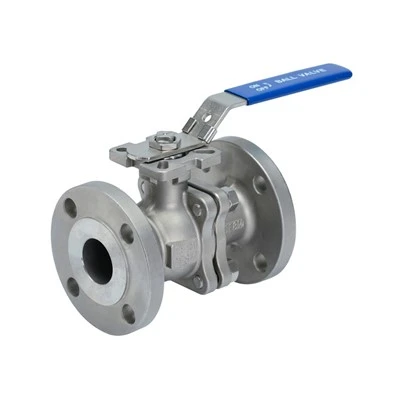
First, let’s set the scene: rigid couplings are like your boring straight-to-the-point buddy—they lock two shafts or pipes together with no give, no movement, no nothing. But let’s be honest, nothing in industrial life is perfectly aligned all the time. Pipes expand when hot, motors vibrate on uneven floors, shafts twist a little under heavy loads, or you need to absorb that tiny misalignment that happens when you bolt a pump to a motor. That’s where flexible stainless steel couplings step in. They’re built to handle three main types of misalignment right off the bat: angular (when one shaft tilts a bit), parallel (when they’re shifted side to side), and axial (when they move along their length). And since they’re stainless steel, not cheap steel or plastic, they can do this without rusting, corroding, or breaking down when you need them most.
Let’s break down the actual uses, because that’s what you care about, right? Starting with plumbing and water distribution—wait, not just your home plumbing, we’re talking municipal water lines, industrial wastewater systems, even desalination plants. Ever had a pipe leak because a rigid coupling cracked when the pipe expanded in the summer heat? Flexible stainless steel couplings take that expansion and contraction in stride. I’ve heard stories from a municipal client who had to replace rigid couplings every 6 months in their water main, but since they switched to our flexible ones? No leaks in 2 years. Also, for wastewater, which has all kinds of corrosive gunk and chemicals—stainless steel doesn’t corrode like iron, so it holds up way better there.
Next up, agriculture. If you’re farming, you’re dealing with big machinery: tractors, pivot irrigation systems, grain augers. Those pivot systems are constantly moving, shifting with the land’s slope, and the irrigation pipes vibrate from the water pressure. Rigid couplings would snap here, but flexible stainless steel couplings flex with the movement. Plus, farms are outside—dust, rain, fertilizer chemicals, all that stuff—stainless steel doesn’t rust from being out in the elements 24/7. We sold a batch to a client who runs a 5,000-acre corn farm, and they said their pivot lines used to have breakdowns every other week during planting season. Now? They only check couplings once a season. That’s the kind of downtime save that matters when harvest is on the line.
Then there’s industrial machinery, specifically pump and motor setups. Pumps are workhorses—they move everything from chemicals to food products, and they vibrate like crazy. If you align a pump and motor perfectly with a rigid coupling, within a few months, vibration will throw them out, leading to worn bearings, broken shafts, and costly repairs. Flexible stainless steel couplings absorb that vibration, right? They have different designs—some have a metal diaphragm, others have a rubber insert, all in stainless steel so it holds up. For food and beverage manufacturing, you can’t use couplings that leach chemicals or get contaminated, and stainless steel is FDA-compliant. We have a food processing client that uses our couplings on their conveyor system motors—no cross-contamination, no rust, no breakdowns during production runs that have to go 24/7.
Offshore energy is another big one, and let’s be clear—this is where failure isn’t an option. Offshore pipes are in saltwater, which is super corrosive, and they’re constantly moving with waves and tides. Rigid couplings can’t handle that, but flexible stainless steel? It resists saltwater corrosion way better than other metals, and it can flex with the pipe’s movement from waves. We supply couplings to a few offshore rig projects, and their maintenance teams tell us they only replace these couplings every 5-7 years, compared to 1-2 for cheaper alternatives. Also, in power plants—both fossil fuel and renewable—you have pipes carrying steam at high temperatures, and flexible couplings handle that thermal expansion without stressing the pipes. No cracked pipes, no unplanned shutdowns.
Wait, let’s talk about something people don’t always think about: HVAC and building services. Commercial buildings, skyscrapers, they have huge HVAC systems with big pipes that move hot and cold water. Those pipes expand when heated, contract when cooled, and the building might shift a tiny bit as it settles. Flexible stainless steel couplings prevent stress on the pipes and the fittings. Plus, if you’re in a high-rise, you don’t want a pipe leaking because a rigid coupling broke—our couplings are durable, so that’s one less thing building maintenance teams have to worry about.
Now, why stainless steel specifically? I get it, some people think steel is expensive, but let’s do the math. A cheap coupling might cost $5, but it breaks every 6 months, so over 5 years, that’s $50 in replacements. A stainless steel flexible coupling might be $25, but it lasts 5 years, so that’s $25 total. Plus, you save on downtime costs—when a pipe breaks in a factory, that’s not just the part, that’s lost production, labor to fix it, maybe even damaged materials. Stainless steel also works in more environments: it’s food-safe, corrosion-resistant, temperature-resistant (works from -40°F to 500°F, roughly), and it doesn’t wear out from vibration like other materials.
Wait, but are all flexible stainless steel couplings the same? No, that’s why it’s important to get the right one for your job. A diaphragm coupling is good for high-torque applications, like industrial pumps. A gear coupling with a stainless steel housing is better for heavy industrial machinery. A universal coupling (U-joint) is for when you need to handle big angular misalignment, like in tractors or off-road vehicles. That’s where having a supplier who knows their stuff comes in—we don’t just sell you a coupling; we ask what you’re using it for, what environment it’s in, what misalignment you’re dealing with, to make sure you get the right fit.
I’ve seen a lot of people make the mistake of buying the cheapest coupling they can find, and it always bites them. Last year, a small manufacturing company came to us because their rigid couplings kept snapping on their conveyor motors. They’d been buying generic steel couplings for $3 each, and they were breaking every 2 weeks. We switched them to our flexible stainless steel couplings, and they haven’t had a problem since. They said it paid for itself in 3 days because they didn’t have to shut down production to fix the conveyor. That’s the real value here—not just a part, but a way to keep your operation running without interruptions.
Another thing: stainless steel couplings are low-maintenance. You don’t have to grease them every month, you don’t have to paint them to prevent rust, you just install them and forget about them. That’s a huge win for maintenance teams who are already stretched thin. Unlike rubber couplings, which degrade in sunlight or chemicals, stainless steel doesn’t have that issue. Unlike plastic couplings, which melt or crack under high heat or heavy loads, stainless steel holds up.
So let’s wrap this up—what’s a flexible stainless steel coupling used for, in simple terms? It’s the part that connects two shafts or pipes, lets them move a little so nothing breaks, resists corrosion, works in tough environments, and saves you money on repairs and downtime. It’s not a flashy part, but it’s one of the most critical parts in any industrial system, plumbing setup, or agricultural operation.
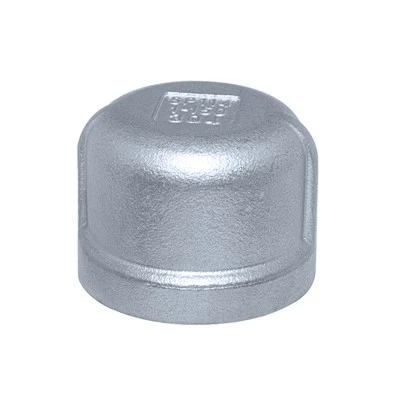
Now, if you’re someone who’s dealing with misalignment issues, frequent coupling breakdowns, corrosion problems, or just want to cut down on maintenance costs, don’t overcomplicate it. We’ve been supplying flexible stainless steel couplings to all kinds of industries for years, and we can help you find the right one for your specific needs. Whether you’re a small farm, a municipal water department, a manufacturing plant, or an offshore energy project, we’ve got the products and the expertise to make sure you get the right fit. Reach out to us to chat through your project, ask questions, and get a quote that works for you. No pressure, just real talk about what you need to keep your systems running smoothly.
Castings References
- Shigley’s Mechanical Engineering Design, 11th Edition, McGraw-Hill Education, 2020
- Stainless Steel Coupling Applications Guide, American Welding Society, 2021
- Agricultural Machinery Components Handbook, National Agricultural Statistics Service, 2022
- Offshore Pipeline Maintenance Standards, International Association of Oil & Gas Producers, 2020
- Food and Beverage Equipment Sanitation Guidelines, FDA, 2021
United Brothers Metal Products Co., Ltd.
United Brothers Metal Products Co., Ltd. is one of the most professional stainless steel couplings manufacturers and suppliers in Vietnam. We are committed to providing high quality customized products with competitive price. Please feel free to buy bulk durable stainless steel couplings in stock here from our factory. Also, pricelist is available.
Address: Lot 61c2, 99a, 99b Long Giang Industrial Park, Tan Phuoc 3 Commune, Dong Thap Province, Vietnam
E-mail: sales@ubfittings.com
WebSite: https://www.ubvalves.com/
