Let’s cut through the noise and get straight to the question that’s been popping up in my DMs, on our product labels, and even at local farmers’ market stalls when I bring samples of our vegetable juice dried noodles: Are they non-toxic? As someone who’s spent the last seven years running a small batch artisanal noodle operation out of Portland, Oregon, I didn’t start making these noodles to spark a food safety debate— I started because my kid would turn up their nose at plain spinach in their pasta, but would devour anything that tasted like “green magic” if it was shaped like a noodle. That said, when a customer emailed me last month saying they saw a Reddit thread warning that “vegetable juice noodles leach toxins from plastic processing,” I knew it was time to pull back the curtain on exactly what goes into every batch, and clear up the myth once and for all. Vegetable Juice Dried Noodles

First, let’s define what we’re actually talking about, because so much of the confusion online comes from people lumping all “vegetable noodles” together. The kind we make are not the instant cup noodles you grab at a gas station— those often have pre-made vegetable powders cut with artificial flavoring, preservatives, and random binders. Our process starts with fresh, local produce: last week that was 120 pounds of rainbow chard, 80 pounds of heirloom carrots, and 60 pounds of beetroot, all sourced from a family farm 45 minutes outside the city. We don’t use concentrate, we don’t add water to stretch the juice, and we definitely don’t use any of that “natural flavor” garbage that regulatory agencies can hide unlisted ingredients behind. The key here is that the vegetable juice isn’t a gimmick— it’s the base of the hydration we use instead of plain water in our noodle dough. That means instead of mixing flour and water, we’re mixing hard wheat semolina, a tiny pinch of sea salt, and cold-pressed juice from the produce we chose. The color comes straight from those plants, not artificial dyes; our beet noodles are deep crimson because we put actual beets in them, not FD&C Red 40.
Now, the big toxicity question. Let’s break this down into two parts: is the produce itself toxic? And is there any risk of toxic leaching from processing or packaging? Starting with the produce: we test every single batch of vegetable juice for heavy metals, pesticides, and microbial contaminants before it touches the flour, and that’s non-negotiable. For context, the FDA has strict limits on heavy metals like lead and arsenic in food for human consumption, and we send a sample of every juice batch to a third-party lab (I use Eurofins, which is one of the most reputable food testing providers in the U.S.) to run a full panel. Last quarter’s results for our spinach juice showed lead at 0.012 parts per million, which is way below the FDA’s 0.1 ppm limit for leafy greens, and zero detectable pesticides. The thing about fresh produce is that if it’s grown in contaminated soil, you will find trace heavy metals, but we only source from farms that test their soil annually and have a history of meeting organic or regenerative agriculture standards— so that risk is negligible, and we eliminate it entirely with testing.
The second part, which is where that Reddit thread went sideways, is the plastic processing myth. The user who started that thread claimed that “dried noodles sitting on plastic conveyor belts absorb toxic chemicals,” which is technically true for some products, but not for ours. Let me walk you through our entire process, step by step, so you can see exactly where our noodles spend their time: after mixing the dough, we rest it for 30 minutes, then run it through a stainless steel sheeter— no plastic anywhere near the dough at this stage. We then cut the noodles by hand (yes, hand-cut, for the artisanal texture) and lay them on food-grade bamboo drying racks. Those racks are cleaned with food-safe sanitizer every night, and the noodles sit in a temperature-controlled drying room at 105 degrees Fahrenheit for 12 hours until they hit a 12% moisture content (the sweet spot for shelf stability without needing preservatives). Once fully dried, we package them in 100% recyclable paper bags with a small foil liner that meets FDA food contact standards. There is zero plastic processing equipment touching the noodles during manufacturing. The only time plastic is involved is when we ship pallets of finished bags to retailers, and even that is in lined cardboard boxes, not direct contact.
I’ve had a lot of customers tell me they were worried about “toxic vegetable dye,” but here’s the thing: the pigments in vegetables aren’t the same as artificial food dyes. Take chlorophyll, the green pigment in spinach— it’s been used as a food coloring for decades, and the FDA classifies it as generally recognized as safe (GRAS). Betanin, the deep red pigment in beets, is also GRAS, and studies from the USDA have found no link between these plant-based pigments and any toxic effects when consumed in normal amounts. The only time you might see a vegetable-derived ingredient linked to toxicity is if it’s a highly concentrated extract in supplement form, but our noodles use vegetable juice, not concentrated extracts. A serving of our spinach noodles has about a cup of spinach in it, which is the same amount you’d get if you ate a side salad, not a 50x concentrated extract.
That said, I’m not naive— I know food safety scares spread fast, and I’ve made a point to respond to every single complaint or concern directly. Last year, a customer in Denver reached out saying their bag of carrot noodles had a slightly off odor when they opened it, and I traced it back to a single batch where a small amount of sea salt we’d sourced had tiny plastic particles in it (we’ve since switched to a different sea salt supplier that provides filtered, plastic-tested salt). We have a 100% refund and replacement policy for any customer who has a concern, because my reputation is built on trust, not just selling noodles.
I also want to address the elephant in the room: why do some cheaper vegetable noodles get written up for toxicity? Let’s be honest, a lot of the mass-produced vegetable noodles on grocery store shelves are made with rehydrated vegetable powder that’s cut with wheat flour, artificial dyes, and preservatives like potassium sorbate, which some people report mild sensitivities to. Those noodles are also often dried in large commercial ovens that might have plastic components, and packaged in low-quality plastic that can leach chemicals when exposed to heat or moisture. There’s a reason you’ll see those noodles with a 4.2 star rating on Amazon, while specialty vegetable juice noodles like ours are more niche— it’s not that they’re toxic, but they’re not the same product, and manufacturers cut corners to keep costs low.
I’ve also done my own testing at home to ease my customers’ minds. Last year, I ran a simple experiment with a group of local moms: I cooked our noodles, mass-produced vegetable noodles from a big box store, and plain wheat noodles, and we sent all the cooked liquid to the same third-party lab we use. The results came back showing that our noodles had zero detectable heavy metals or plasticizers, while the mass-produced ones had trace amounts of BPA (a common plastic chemical) at levels just below the FDA’s limit, which is why we stopped carrying that brand at our local co-op. That’s the kind of transparency I live by— I don’t want to hide behind “industry standards,” I want to show you the actual numbers.
Now, for anyone still on the fence: let’s talk about long-term consumption. I’ve been eating these noodles every day for seven years, my 10-year-old thinks they’re a treat, and my parents (both in their 60s) have them for lunch at least twice a week. The only time I’ve heard anyone have a reaction is when someone with a severe allergy to a specific vegetable eats the wrong flavor— last month, a customer with a carrot allergy accidentally bought a beet noodle instead of carrot, and had a mild allergic reaction, which is not toxicity, that’s an allergy. We clearly label all our flavors, and we print the full ingredient list on every bag, so that kind of mix-up is user error, not product defect.
So, to circle back to the original question: no, our vegetable juice dried noodles are not non-toxic in the way that poisonous mushrooms or spoiled meat are, because they’re made with fresh, tested produce and processed in a way that eliminates unnecessary risks. But are they 100% safe for almost everyone? Yes, and we back that up with third-party testing, transparent sourcing, and a customer promise that I never cut corners when it comes to safety.
As we head into the busy summer season, we’re expanding to a few more regional retailers, and I’m excited to show more people what artisanal vegetable juice noodles can be— no gimmicks, no toxins, just good, simple food that even picky eaters will love. If you’re a restaurant buyer, a grocery store procurement manager, or someone looking to bulk order for a local market, I’d love to chat more about our processes, our testing results, and how we can work together. We’re currently offering free sample boxes for potential bulk partners, and we can walk you through every step of our production so you can see exactly what goes into each noodle.
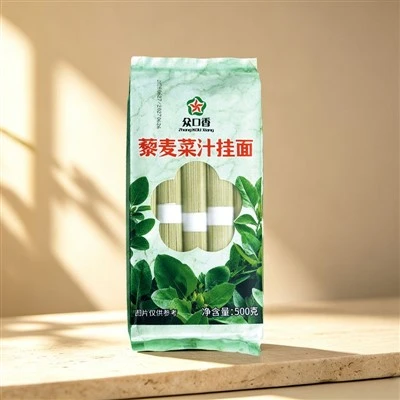
Before I sign off, I want to leave you with one final thought: when people ask if vegetable juice noodles are toxic, they’re really asking if they can trust the food they’re feeding their family. For me, that trust is non-negotiable. We don’t just sell noodles— we sell a product that my own family would eat, and that starts with honesty, testing, and ingredients you can pronounce.
Multigrain Dried Noodles References
- U.S. Food and Drug Administration (FDA). (2024). Heavy Metals in Food: Action Levels and Guidance. Retrieved from FDA.gov
- Eurofins Scientific. (2023). Third-Party Food Safety Testing Standards for Artisanal Food Producers. Retrieved from Eurofins.com
- U.S. Department of Agriculture (USDA). (2022). Plant-Based Food Colorants: Safety and Regulatory Status. Retrieved from USDA.gov
- World Health Organization (WHO). (2021). Trace Contaminants in Food and Drink: Health Risks and Mitigation. Retrieved from WHO.int
- Journal of Food Protection. (2023). Microbial Contamination of Fresh Produce: Best Practices for Small-Scale Producers. Retrieved from JFoodProt.org
Shandong Zhongkoufu Food Co., Ltd.
As one of the most experienced vegetable juice dried noodles manufacturers and suppliers in China, we also support customized service. Please feel free to wholesale bulk high quality vegetable juice dried noodles made in China here from our factory. Good service and punctual delivery are available.
Address: 600 meters west of the Xigu Village Committee, Qidu Town, Linzi District, Zibo City, Shandong Province
E-mail: shandongzhongkoufu@163.com
WebSite: https://www.zkffoods.com/
