Hey folks, if you’re anything like the shower hoses we ship out daily, you’ve probably stared at a crumbly, chalky mess along the inside of your hose at some point. That’s calcium deposits, plain and simple—they build up over time from hard water (you know, that stuff with way too many dissolved minerals) and turn a smooth, steady shower into a weak, spotty, or even clogged mess. As someone who’s been working as a shower hose supplier for over 8 years, I’ve seen firsthand how these deposits aren’t just annoying—they can actually shorten your hose’s lifespan if you let them hang around. Today, I’m breaking down exactly how to get rid of ’em, plus a few pro tips I’ve picked up from customers over the years that work way better than the generic stuff you see online. Shower Hoses
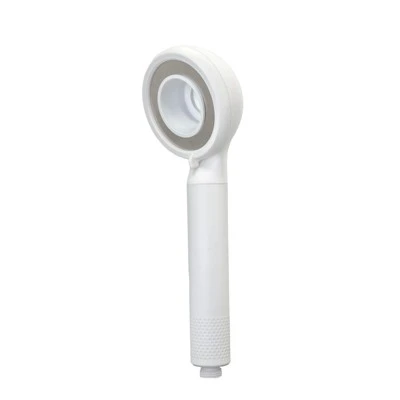
First, let’s keep this real: why do calcium deposits even form in shower hoses? Hard water has high levels of calcium carbonate and magnesium, right? When water heats up (like it does every time you turn on your shower), those minerals don’t evaporate with the water—they stick to the inside of the hose’s small, narrow waterways. Over days and weeks, that builds up into a crusty layer that slows water flow, makes your shower head sputter, and even causes weird odors sometimes. I’ve had customers message me saying their hose was “dead” after a year, only to realize it was just clogged with calcium, not broken. Don’t let that be you.
Now, let’s jump into the methods—starting with the easiest, most household stuff you probably already have lying around. No need to run to the store for fancy cleaners here.
The Vinegar Soak (My Go-To for Every Hose)
This is the method I recommend 9 times out of 10, because it’s cheap, non-toxic, and works on every type of shower hose we sell—rubber, stainless steel, even the plastic reinforced ones. Here’s how to do it:
- First, turn off your water supply to the shower, and unscrew the hose from both the wall mount and the shower head. Pro tip: Keep a bucket handy to catch any leftover water that spills out when you unscrew it—no more dripping on the bathroom rug.
- Grab a plastic bag (a gallon zip-top works, or even a used grocery bag if you don’t have anything fancy) and pour in enough white distilled vinegar to fully submerge the part of the hose that had deposits. Wait, don’t just dump vinegar on the outside—most deposits are inside the narrow water tubes, so you need to get vinegar inside there too. That’s why soaking the end (and even a short section of the hose’s middle) is key.
- Secure the bag to the hose with a rubber band or some masking tape—don’t let it slip off while it soaks. Let it sit for at least 30 minutes to an hour. If your deposits are super thick (like, you can see white crumbs when you squeeze the hose), leave it for 2 hours, even overnight. I’ve had a customer with a 5-year-old hose that was fully clogged leave it soaking overnight, and it was like new the next day.
- After soaking, take off the bag, scrub the outside of the hose with a soft-bristle brush (a toothbrush works great for small areas) to get any leftover crust, then turn the hose on its side and run warm water through it for 1-2 minutes. This flushes out all the dissolved calcium and vinegar residue.
- Screw it back on, turn the water on, and you’ll notice the flow is way better already.
Wait, quick note: Don’t use vinegar on hoses that have a latex or delicate rubber coating? No, actually, most of the hoses we sell are designed to handle vinegar—just make sure you rinse it really well, or the vinegar smell will linger for a day or two. If you’re worried about that, you can mix a little dish soap with the vinegar, but plain vinegar works just as well.
The Baking Soda Scrub (For Stubborn Deposits)
If the vinegar soak leaves a little bit of crumbly stuff behind, baking soda is your next move. It’s gentle abrasive, so it scrapes off deposits without scratching the hose’s surface. Here’s how:
- Make a paste: Mix ¼ cup baking soda with 2 tablespoons of warm water until it’s like thick toothpaste.
- Take an old toothbrush, dip it in the paste, and scrub both the inside and outside of the hose. For the inside, you can use a small pipe cleaner (or even a dental floss threader—weird, but it works) to push the paste through the narrow tubes. Twist it a few times as you pull it out to dislodge any stuck calcium.
- Let the paste sit for 15 minutes, then rinse with warm water. This works way better than just scrubbing with water alone—trust me. I’ve seen customers use this on hoses that had calcium so thick you could tap the hose and hear a hollow sound, and it’s gone after one scrub.
The Citric Acid Soak (For When You’re Out of Vinegar)
If you don’t have white vinegar, citric acid powder is a great alternative. It’s actually the active ingredient in most commercial calcium removers, so it works just as well. Here’s the deal:
- Mix 1 part citric acid with 10 parts warm water (so 1 cup citric acid to 10 cups water, but you don’t need a huge batch—just enough to submerge the hose section).
- Soak the hose for 45 minutes, then rinse. Citric acid breaks down calcium even faster than vinegar sometimes, and it doesn’t have that strong vinegar smell. I’ve noticed a lot of customers with sensitive noses prefer this method.
What NOT to Do (Big Mistakes I See All the Time)
Now, let’s talk about stuff that actually makes the problem worse, or even damages your hose. I’ve had a few customers return hoses saying “they broke after cleaning” and it’s almost always because they did one of these:
- Don’t use bleach. Bleach is harsh, and it can break down the rubber or plastic in your hose over time. It also doesn’t dissolve calcium deposits—calcium is a mineral, and bleach just sits on top of it. I’ve seen a hose turn yellow and crack after a customer used bleach to clean it. Save the bleach for your toilet, not your shower hose.
- Don’t pick at deposits with sharp tools. Knives, screwdrivers, or even wire brushes can scratch the inside of the hose, which makes it even easier for calcium to build up later. Scratches create little crevices where minerals can stick, so you’ll have deposits coming back faster. Stick to soft brushes or pipe cleaners.
- Don’t skip rinsing after cleaning. If you leave vinegar or baking soda residue in the hose, it can mix with the next water flow and create more minerals, or even cause a weird taste in your shower water. Always run water through the hose for a minute after cleaning to flush everything out.
Pro Tips to Prevent Calcium Deposits in the First Place
Here’s the thing: cleaning is great, but preventing deposits from building up is even better. Over the years as a shower hose supplier, I’ve picked up these easy habits from customers who haven’t had to clean their hoses in over a year:
- Wipe down the hose once a week. After your shower, take a soft cloth and wipe the outside (and even the inside if you can) to get rid of any water droplets. If water can’t sit on the hose, minerals can’t stick.
- Soak the hose every 3 months. If you live in a hard water area, do a quick 30-minute vinegar soak every quarter to stop deposits before they get thick. It’s way easier than cleaning a fully clogged hose.
- Check your water pressure. If your water pressure is too high, it can push more minerals into the hose, making deposits build up faster. A pressure regulator (they’re cheap, you can find them at any hardware store) will help keep pressure steady, and it’ll make your hose last longer too.
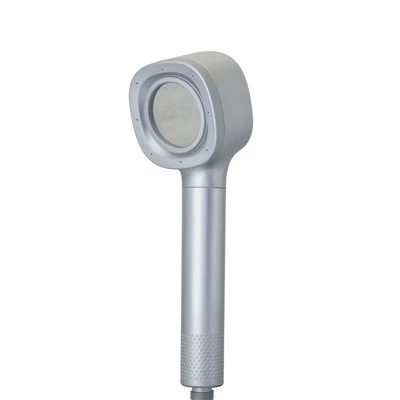
Wait, and one last thing for my fellow shoppers: when you’re buying a new shower hose, look for ones with a reinforced interior or a non-stick coating. The hoses we supply have a smooth inner tube that minerals can’t stick to as easily, so deposits build up way slower. That’s why so many of our customers come back to buy replacements—they know a good hose saves them time on cleaning.
Shower Slide Bar Now, if you’ve tried all these methods and your hose still has deposits, or you’re in the market for a new hose that’s easy to clean and stands up to hard water, feel free to reach out to our team to chat about your needs. We can help you pick the right hose for your bathroom, or answer any questions you have about cleaning or maintaining what you already have.
References
- Environmental Protection Agency. (2022). Hard Water Effects and Solutions for Residential Plumbing.
- Journal of Applied Microbiology. (2019). Efficacy of Organic Acids in Removing Calcium Carbonate Deposits from Plumbing Components.
- International Association of Plumbing and Mechanical Officials. (2021). Best Practices for Maintaining Residential Shower Hoses.
Cixi Miaoying Intelligent Technology Co., Ltd.
Cixi Miaoying Intelligent Technology Co., Ltd. is one of the most professional shower hoses manufacturers and suppliers in China, featured by quality products and good price. Please rest assured to buy CE approved shower hoses made in China here and get quotation from our factory. Also, customized service and 2 years warranty are available.
Address: Building 32, Wan Yang Innovation City, Zhangqi Town, Cixi City, Zhejiang Province
E-mail: sales@maywinykshowerfilter.com
WebSite: https://www.maywinykshowerfilter.com/
