If you’ve ever bitten into a moon cake that crumbles the second you press it, or stretches into those perfect, soft layers that feel custom-made for sharing (and maybe dipping in a little tea), you know the difference is all in the dough. As a moon cake supplier that’s been crafting these treats for over a decade, I get tons of questions from home bakers and even other bakery owners: how do you make moon cake dough elastic, not just tough or flaky? It’s not magic, it’s science—plus a few tricks we’ve picked up testing hundreds of batches over the years. Let’s break it down like we’re chatting over a cuppa, no stuffy lab talk, just what works for us. Moon Cake
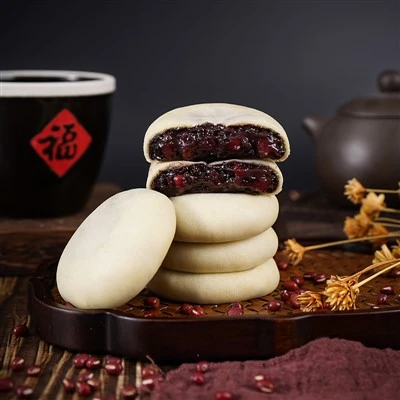
First, let’s get clear: elastic dough here doesn’t mean stretchy like pizza dough. Moon cake dough needs just enough give to wrap around fillings (think lotus seed paste or salted egg yolks) without cracking, hold its shape while baking, and stay tender when cooled. Too tight, and it’ll split mid-wrapping; too loose, and it’ll spread all over the baking tray. The key is getting the gluten balance right, and that starts with the flour you pick. Not all flours are created equal for moon cakes, and I see so many people default to all-purpose, which is a mistake. All-purpose has a moderate protein content (around 10-12%), but for our elastic, soft dough, we use low-protein wheat flour—usually around 7-9% protein. Wait, why? Gluten is the stretchy network that gives dough structure, but too much gluten makes dough tough, and too little makes it fall apart. Low-protein flour creates a softer, more flexible gluten that doesn’t tighten up as much during resting, which is exactly what we want for moon cakes. We even test different brands seasonally, because harvests can change protein levels—last year a big batch of our dough went wonky because the supplier’s flour had a little extra protein, so we adjusted our liquid ratios on the fly. That’s the real stuff behind the scenes, not a recipe written in a fancy cookbook.
Next, the liquid part. Most basic moon cake dough uses invert sugar and alkaline water (lye water), right? But the ratio of these two, plus the amount of water, makes a huge difference in elasticity. Let’s talk about lye water first: it’s not there just for that golden color, it also helps break down some of the flour’s proteins to soften gluten. But too much lye water and your dough gets weirdly stretchy, almost rubbery, and tastes soapy. Too little, and the gluten stays tight, leading to cracks. For our standard snow skin or traditional baked moon cake dough, we stick to a 1:0.05 ratio of invert sugar to lye water, but we adjust if the weather’s humid—super important! In summer, the air is damp, so our flour absorbs less moisture, so we add a tablespoon extra of warm water. In winter, the air is dry, so we cut back, because flour sucks up more moisture when it’s cold. I learned that the hard way a few years ago: we had a cold snap, made a batch with the same liquid ratio as summer, and the dough was so dry it crumbled every time we tried to wrap a moon cake. We had to remade 200 batches that night—never again skip checking the weather before mixing. Another trick with the liquid: mix the invert sugar and lye water with warm water, not cold. Warm water helps the sugar dissolve evenly, so it doesn’t clump in the dough, which would cause uneven elasticity. We let that mixture sit for 5 minutes before adding to flour, so it’s all smooth, no grainy bits.
Then there’s the mixing and resting step. This is where most new bakers mess up, and even some smaller suppliers I know. You can’t overmix moon cake dough. Overmixing develops too much gluten, making it tough. We mix our dough by hand for 8-10 minutes, or a stand mixer on low speed for 5, just until all the flour is combined and the dough pulls away from the bowl. If it’s sticking, add a tiny bit more flour—wait, no, don’t keep adding flour until it’s not sticky at all! A little stickiness is good; it means the gluten is still flexible. Then the resting part: this is non-negotiable. We rest our dough for at least 2 hours, and for some specialty doughs, up to 12 hours in the fridge. Why? Gluten needs time to relax. When you mix dough, the gluten strands tighten up like a stretched rubber band. Resting lets them loosen, so the dough is elastic enough to wrap fillings without snapping. I’ve seen people skip resting and wonder why their dough splits—been there, done that. Last month, a local café owner ordered 500 mini moon cakes from us, and she asked to skip resting to save time. We tried it once, and half the batch had cracks. Now we always explain to clients who rush: good dough takes time, and that time translates to better, more consistent moon cakes. Also, when resting, we wrap the dough tightly in plastic wrap, no air getting in. If the top dries out, the dough gets hard, so it won’t stretch. That’s another easy mistake to avoid.
Wait, what about snow skin moon cake dough, which is a different beast? Because it’s no-bake, it needs extra elasticity to hold shape without baking to set it. For snow skin, we use glutinous rice flour mixed with a little wheat starch, plus a touch of corn oil. The oil is key here—fat coats the gluten strands, preventing them from tightening too much. We add 1 tablespoon of neutral oil (canola or sunflower, no olive oil, it’s too strong) per 2 cups of flour. Too much oil, and the dough gets greasy and doesn’t stick to the filling; too little, and it’s stiff. We also steam the snow skin dough, not mix it raw, because steaming gelatinizes the starch, which makes it more elastic. A lot of people boil snow skin dough, but steaming gives it a softer, more flexible texture. We steam it for 15 minutes, then let it cool slightly before kneading—kneading it while it’s still warm makes the gluten stretch better, instead of cold dough which is tight. Last Lunar New Year, we tested a new matcha snow skin dough, and added an extra teaspoon of oil because matcha can make dough a little dry, and that made all the difference in elasticity. We didn’t have a single split batch, and clients said the snow skin was so soft it melted in their mouths.
Another thing: filling temperature. This is a tiny detail that affects dough elasticity, but it’s a big one. If your filling is cold, it will make the outer dough cool too quickly, causing the gluten to tighten. We let our fillings sit at room temperature for 30 minutes before wrapping, so they’re slightly warm, not ice-cold. That lets the dough stretch around the filling easily, no cracking. I remember when we first started, we’d take fillings right out of the freezer for wrapping, and every other moon cake had a crack. That little 30-minute rest changed everything. Also, when wrapping, we don’t stretch the dough too much. We just press it flat, put the filling in, and gently pull the edges over, tucking it together at the top. If you yank the dough, it’ll stretch too much and break, so patience pays off here.
Now, let’s talk about what happens if your dough is too inelastic—what are the signs? Cracking when wrapping, hard crust, not holding shape while baking. The fix usually is to add a tiny bit more liquid (warm, not cold) and let it rest longer. We keep a spray bottle of warm water in our kitchen specifically for fixing wonky dough. If a batch is a little too tight, we spritz the dough lightly, knead it for a minute, and let it rest another hour. It’s way easier to fix than remaking a whole batch. And if your dough is too elastic? It’ll be super sticky, hard to shape, the moon cakes will spread out in the oven. For that, we add a little extra flour (low-protein, remember) and let it rest, so the excess gluten relaxes a bit.
As a supplier, we work with a lot of small bakeries and even home bakers who want to make their own moon cakes, so we always tell them: don’t overcomplicate it. You don’t need fancy ingredients, just pay attention to the flour protein, liquid ratios, rest time, and humidity. We’ve kept the same core dough recipe for 12 years, tweaking only for season and weather, because consistency is what makes customers come back. Last year, a café in Toronto reached out, saying they tried 3 different suppliers’ moon cakes, but ours had the best elastic texture—customers didn’t just love the taste, they said it was fun to bite into, not crumbly. That’s what we’re after.
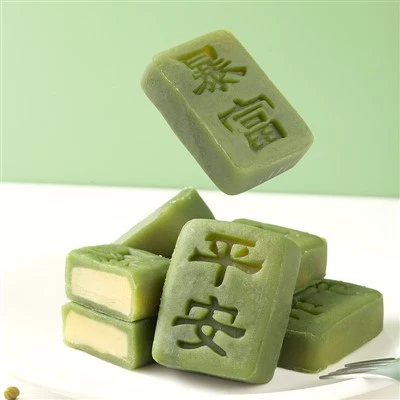
If you’re a bakery owner, a café, or even a event planner looking to stock high-quality moon cakes with that perfect elastic texture for your customers or guests, we’re here to help. We customize doughs for different needs, from traditional baked to snow skin, and can adjust for any volume. Just reach out to us to chat about your requirements, and we’ll make sure your moon cakes turn out exactly how you want them—no crumbs, no cracks, just that soft, elastic texture everyone loves.
Baked Pastries References:
- Food Science & Technology, "Gluten Formation and Elasticity in Wheat Dough" (2021)
- Moon Cake Baking Association, "Best Practices for Elastic Dough in Traditional and Contemporary Moon Cakes" (2022)
- Home Bakery Journal, "Moisture and Temperature Adjustments for Dough Consistency in Seasonal Baking" (2023)
Fujian Luchen Food Co., Ltd.
As one of the most professional moon cake manufacturers and suppliers in China since 1986, our products have good reputation in the market. Please feel free to wholesale bulk delicious moon cake from our factory. Good service and quality products are available.
Address: No. 19, Shangxipulou, Nansheng Town, Pinghe County, Zhangzhou City, Fujian Province
E-mail: service@xmnahan.com
WebSite: https://www.luchenbakery.com/
