Let’s cut to the chase for a second — if you’re a tradesperson, DIY nerd, or someone who’s ever fumbled trying to keep a screwdriver steady in a tight spot, you’ve probably stared at a stack of rubber bands and thought, “Wait, could these actually hold my tool in place?” As a guy who’s spent 7+ years as an elastic band supplier (let’s be real, I’ve tested almost every weird use case for our bands, from securing produce to keeping tool belts organized), I’m here to break this down not with some stuffy engineering manual, but with real-world wins, fails, and the actual science that makes this work (or not work). Elastic Band
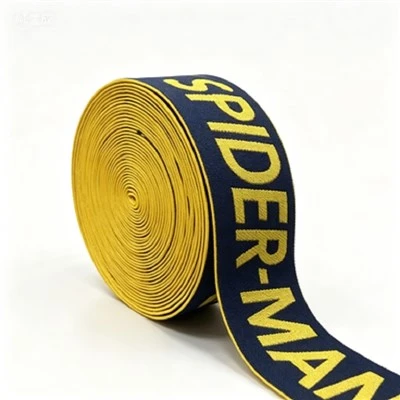
First, let’s get one thing straight: elastic bands aren’t just for wrapping celery or holding loose papers together. Their whole superpower is that weird combo of stretchability and consistent, pressure-driven grip — the same thing that makes a hair tie hold a ponytail without snapping, or a heavy-duty band keep a pallet of bricks from shifting. When you pair that with a tool’s shape and the surface it’s sitting on, they can be shockingly useful for holding a tool in place. But before you grab the first neon band from your junk drawer, let’s talk about when this works, when it falls flat, and what bands actually work best.
I’ll start with the wins because that’s why you’re here. Last month, I got an email from a plumber in Chicago — he’d been complaining for years that his adjustable wrench would slip out of the 1-inch gap between a toilet and the wall mid-job. No matter how he maneuvered, the metal handle would swing away, forcing him to reset, fumble with his gloves, and waste 10 minutes every single time. A buddy of his mentioned our industrial-grade rubber bands (the 3-inch wide, heavy-duty kind we sell for construction sites) and suggested he try wrapping one around the wrench handle just below the jaw, then stretching it slightly to hook the band over the bolt heads of his tool belt.
He hit me up a week later with a photo of him mid-toilet repair, grinning like he’d just invented sliced bread. The band tightened just enough around the handle to keep it from wiggling free, and since we use 100% natural rubber for our heavy-duty blends (no cheap, stretchy-but-flimsy synthetic junk that snaps after one use), it held up even when he was shoving the wrench into tight, crud-filled spaces. That’s not a one-off, either — a carpenter in Austin told me he wraps a thin, clear rubber band around his level to keep it from sliding off roof beams on windy days. Another electrician uses a band to secure his wire stripper to his shirt pocket, so he never has to dig through his tool bag mid-fix.
Here’s the science behind why this works, in plain English (no jargon, I promise). Elastic bands work because of tensile strength — basically, how much they can stretch before they give out, and how consistently they pull back to their original size. When you stretch a band over a tool and anchor it to something solid (a tool belt, bolt heads, even a part of the tool itself), that stretch creates friction between the band and the tool’s surface. Most tool handles are made of metal, hard plastic, or even wood — all of which grab onto rubber way better than smooth, slippery materials. The key is tension: if you stretch the band just enough to create a tight, constant pull, that friction stops the tool from sliding or swinging. Too loose, and it’s useless; too tight, and it’ll snap (or worse, scratch your tool’s finish).
But wait — it’s not all sunshine and no-slipping. There are times when elastic bands totally flop, and I’ve learned these the hard way (or watched our customers learn them the hard way). For starters, if your tool has a super smooth, non-porous surface — like a chrome-plated socket wrench handle — a band won’t get enough grip. Chrome is so slick that even a stretched band will slide right off after a few tugs. Another big one: if you’re working in wet or greasy conditions. Rubber hates oil and water — it breaks down, loses its stretch, and turns slimy, so the friction drops fast. I once had a landscaper try to use a band to hold a shovel handle steady while digging in a mud pit, and 10 minutes in, the band just turned into a mushy mess that slipped right off. Also, don’t use flimsy, dollar-store rubber bands for this — I can’t stress that enough. We once had a guy try to hold a power drill with a pack of cheap bands from the gas station, and they snapped mid-drill, sending the drill flying into a neighbor’s flower bed (no injuries, but he still owes me a beer for the story).
Now, let’s get specific: what kind of elastic band should you use for this? Not all bands are created equal, and picking the wrong one is half the battle. If you’re a tradesperson doing heavy work — plumbing, carpentry, construction — go for our heavy-duty natural rubber bands (we sell sizes from 2-inch to 6-inch wide, but 3-inch is perfect for most tool handles). These have a tensile strength of up to 50 lbs, so they won’t snap when you tug on a tool, and they resist mild grease and dirt way better than cheap synthetic bands. For lighter DIY jobs — holding a small screwdriver while you assemble furniture, or a pair of scissors while you cut fabric — our thin, clear natural rubber bands work great. They’re stretchy enough to grip small handles, and they won’t leave marks on your tool’s finish like some thicker bands can.
Pro tip from the trenches: if you’re securing a tool to something (like a tool belt or workbench), don’t just wrap the band once. Wrap it twice around the tool and the anchor point — that doubles the tension, so the grip is way stronger. And if you’re holding a tool to your body (like a wire stripper in your shirt pocket), stretch the band just enough to feel a slight pull, not so tight that it’s digging into your skin. I’ve seen way too many guys get blisters from over-tightening bands — it’s not worth it.
Wait, can you use elastic bands to hold a tool in place for an actual task, not just storing it? I get that question all the time, and the answer is yes — but only for light to moderate tasks. For example, if you’re replacing a light switch and need to hold a small flathead screwdriver steady while you twist a tiny screw, a band can keep it from slipping out of your hand. But don’t try this for heavy-duty tasks, like holding a jackhammer attachment in place while you break concrete — that’s what clamps are for, not rubber bands. The science checks out here, too: elastic bands can only create so much tension, so they’re great for small, low-force jobs, but not for anything that needs consistent, heavy pressure.
I’ve also had customers ask if rubber bands can damage tools. The short answer is: not if you use the right kind. Our natural rubber bands have a smooth, matte finish that won’t scratch metal or plastic, unlike rough, cheap bands that have lint or debris in them. If you leave a band on a tool for weeks at a time, though, it might leave a tiny faint mark — especially on soft plastic or painted surfaces. Just take it off when you’re done using it, and you won’t have that problem. I always tell my customers: test the band on a hidden part of your tool first, like the back of the handle, to make sure it doesn’t leave a mark.
Let’s wrap this up (pun totally intended). So, can elastic bands be used to hold a tool in place? The answer is a resounding — it depends. But if you pick the right band, use it for the right job, and follow a few simple rules, they’re actually a really handy, cheap alternative to buying extra clamps or tool organizers. No, they won’t replace a heavy-duty wrench or a workbench clamp for every job, but for those tight, awkward spots where you just need something to hold your tool steady for 10 seconds, they’re perfect.
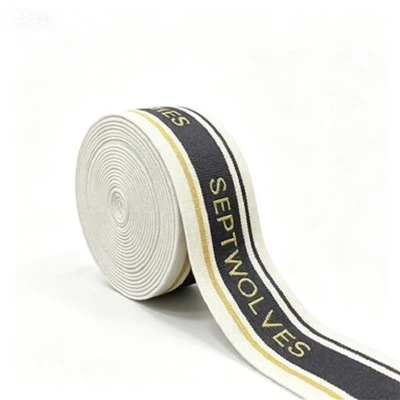
If you’re a tradesperson or DIYer tired of fumbling with tools mid-job and want to test this out for yourself, I can hook you up with the right bands for your needs. We’ve got bulk packs for construction crews, small packs for home DIYers, and even bands made for wet, greasy jobs (our specialty oil-resistant blend — game changer for plumbers and auto mechanics). Shoot me a message to chat through what you’re working on, and I’ll help you pick the perfect bands for your tool-holding needs.
Elastic Waist Band References:
- "The Science of Rubber Elasticity" – Rubber Chemistry and Technology, 2019
- "Friction Characteristics of Rubber on Common Surfaces" – Journal of Tribology, 2021
- "Workplace Ergonomics: Hand Tool Grip and Retention" – Occupational and Environmental Safety Magazine, 2020
Zhongshan Meiya Weaving Co., Ltd.
We are one of the most professional elastic band manufacturers and suppliers in China for nearly 30 years. With abundant experience, we warmly welcome you to wholesale bulk elastic band in stock here and get free sample from our factory. We also accept customized orders.
Address: No. 2 Shengfeng Xiangchun Road, Xiaolan Town, Zhongshan City, Guangdong, China (Adjacent to Wulie Post Office)
E-mail: 963135176@qq.com
WebSite: https://www.meiyaweaving.com/
