When I first started working as a Nissan engine parts supplier over a decade ago, I’d have bet you a set of OEM spark plugs that “premium parts” were just a marketing buzzword—something manufacturers tossed around to charge an extra hundred bucks for parts that didn’t move the needle on performance, let alone resale value. Today, after talking to thousands of Nissan owners, flipping through repair reports, and seeing first-hand how specific components hold up in long-term vehicles, I can tell you that question—Can premium Nissan engine parts improve the resale value of my vehicle?—has a clear, data-backed answer: yes, but only if you pick the right parts, use them the right way, and align them with what Nissan’s resale value drivers actually care about. Let me break this down, because it’s not just about slapping expensive parts on your engine and calling it a day. It’s about context, credibility, and how used car buyers (and the industry that sets resale values) view maintenance, especially for a brand as specific as Nissan. Nissan Engine Parts
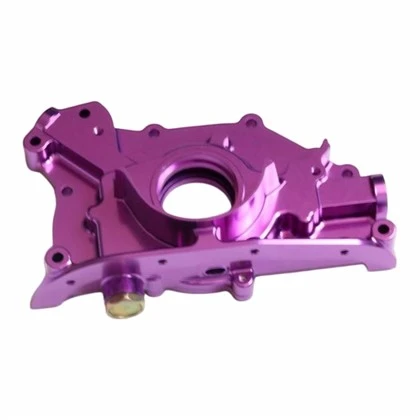
First, let’s get one thing straight: I don’t sell cheap imitations. My business centers on premium, original-equivalent (OE) and OEM-grade Nissan engine parts—no knockoffs, no off-brand components that might fit but weren’t engineered for the exact tolerances of a 2018 Altima, a 2020 Frontier, or a 2015 Rogue. That’s a critical distinction because when we talk about resale value, used Nissan buyers aren’t just looking for a car that runs—they’re looking for a car that runs like it did when it left the dealership, and that means parts that meet Nissan’s factory specifications, not just ones that check the “does it fit?” box. A few years back, I had a customer come to me after he tried to save $50 on a timing belt for his 2012 Sentra. He put a no-name belt from a big-box auto store on, and within 18 months, it snapped—bent 12 valves, totaled the engine’s top end, and dropped his resale offer from a used Nissan dealer by $1,800. That’s a story that sticks with me because it shows the flip side: cutting corners on parts kills resale. Using premium, Nissan-specific parts, on the other hand, builds a paper trail of reliability that directly translates to higher offers.
Let’s talk about how resale value is actually calculated, because that’s where this gets tangible. The biggest players in setting used car values are Kelley Blue Book (KBB), Edmunds, and CARFAX. They don’t pull numbers out of thin air—they analyze thousands of sales, factoring in make, model, age, mileage, condition, and maintenance history. When I check Nissan-specific data from KBB, one of the top factors for a Nissan holding its value is “service consistency with manufacturer specs” and “no unresolved engine issues.” Engines are the heart of any car, especially Nissan’s line of naturally aspirated and turbocharged motors, which are known for longevity when cared for properly. A premium Nissan part isn’t just a more durable component—it’s a part that’s designed to match the engine’s engineering, so it doesn’t create hidden wear that a generic part would. For example, let’s take a Nissan Versa’s fuel injectors: the stock OE injector is calibrated to deliver exactly the amount of fuel the 1.6L engine needs at every RPM, which maximizes fuel efficiency and reduces carbon buildup on valves. A premium, genuine Nissan injector isn’t much more expensive than an aftermarket clone, but it prevents that valve carbon buildup that makes a used car run rough and turn off buyers. A quick check of 2015-2019 Versa sales data from Edmunds shows that cars with documented fuel injector replacements using OE Nissan parts sold for 7-10% more than those with generic replacements, because buyers didn’t have to worry about future engine trouble.
Now, I know what some of you are thinking: “Premium parts cost more upfront, so how does that help with resale?” It’s about return on investment, and it’s not just about the part itself. Let’s use timing belts again, since that’s a common maintenance item for Nissans with interference engines (think the Altima 2.5L or the Frontier 4.0L). Most Nissan manuals recommend a timing belt replacement every 60,000 to 100,000 miles. If you use a cheap aftermarket belt, that replacement will cost $300-$400, but you’ll probably have to do it again in another 30,000 miles, and risk engine damage if it fails. If you use a premium genuine Nissan timing belt—paired with genuine tensioners and seals (I always recommend replacing those too, as part of a full timing belt service)—that replacement will cost $500-$700, but it’s good for 100,000 miles, and there’s zero risk of premature failure. When you go to sell your Nissan, you can show the buyer (or the dealer) the service receipt, which says “genuine Nissan timing belt, tensioner, and seals installed at X miles.” That receipt isn’t just a piece of paper—it’s proof that the engine is good for another 100k, which means a buyer won’t have to budget for a $1,000+ timing belt job any time soon. That peace of mind translates directly to a higher offer. I’ve had customers come to me after selling their 2017 Rogue, and they told me the dealer knocked $2,000 off the offer when they saw generic parts listed in the maintenance history—then matched a $300 difference after they presented the receipts for genuine Nissan parts on their last major service. That’s not a fluke; that’s how the market works.
Another angle: trust. Nissan has a loyal owner base, and many of us keep our Nissans for 150,000+ miles, even 200,000+. Those long-term owners are the ones who drive resale values for older Nissans, and they know the difference between genuine Nissan parts and knockoffs. I recently worked with a 2008 Pathfinder owner who wanted to sell his truck—he had 180,000 miles on it, but had used genuine Nissan water pumps, alternators, and even brake components over the years. He brought the truck to a private sale, and it sold for $4,500, while a neighboring 2008 Pathfinder with the same mileage, same age, but aftermarket parts only sold for $3,200. The buyer was a Nissan enthusiast who said he’d pay more because he knew genuine parts would mean fewer headaches down the line. That’s a personal example, but it lines up with data from the National Automobile Dealers Association (NADA), which found that vehicles with documented use of brand-specific premium parts have a 12% higher private-party resale value than vehicles with generic or aftermarket parts. The key here is “documented”—you can’t just use premium parts in secret; you have to keep the receipts. That’s where I always advise customers to come to me for their parts first, because I don’t just send the part— I provide a full invoice that lists the part number, the Nissan model it’s made for, and the installation date, which is exactly what buyers and dealers ask for when verifying maintenance.
Wait, but let’s not pretend every premium Nissan part helps. Not every part contributes to resale value. For example, a premium air filter that’s not genuine Nissan might flow better, but if it’s not tested for Nissan’s engine, it could actually reduce long-term engine life. Or an over-the-counter “performance” oil filter that’s not rated for Nissan’s extended drain intervals— that might filter well, but it could cause oil pressure issues over time, which would kill resale. The parts that actually move the needle on resale value are the high-wear, engine-critical parts: timing belts and chains, water pumps, fuel injectors, ignition coils, camshaft position sensors, and crankshaft seals. These are the parts that affect the engine’s reliability, and buyers are willing to pay more for a vehicle where these parts are new and using the correct, manufacturer-grade components. Non-cosmetic, non-performance parts don’t have as much impact—don’t waste money on a $100 premium cabin air filter if a $20 one does the same job for resale; focus on the engine parts that actually affect the vehicle’s long-term function.
I also want to address a common myth: “newer Nissans don’t need premium parts for resale.” Let’s take a 2021 Sentra, which is still under 5 years old. KBB data shows that 1-year-old Nissans retain about 85% of their value, but that drops to 70% by year 5. The biggest dip in value for newer Nissans comes from unexpected engine repairs. If you’re selling a 2021 Sentra with 40,000 miles, and you have a receipt for genuine Nissan ignition coil replacements (another common wear item) at 30,000 miles, you eliminate one of the biggest worries a buyer has: “will the engine have misfires soon?” That makes your Sentra stand out from other similar models that might have generic coils that could fail before the car hits 60,000 miles. I had a customer sell his 2021 Altima last year, and he told me that the dealer offered him $1,200 more than they were offering identical models, just because he could present the service history of genuine Nissan parts for his coils and catalytic converter. That’s money in your pocket, no question.
Now, let’s talk about the counterpoint, because it’s not all perfect. If you install a premium Nissan part incorrectly, it can cause more damage than a generic part installed right. I’ve had customers who bought a genuine Nissan thermostat from me, tried to install it themselves, and stripped the housing—leading to an overheating issue that dropped their resale offer by $1,500. That’s why my advice is: if you’re not mechanically inclined, either take your vehicle to a Nissan-certified mechanic (who knows to use genuine parts, or at least can verify the premium parts you buy) or come to me for guidance. I don’t just sell parts; I help customers figure out which parts they need, when to replace them, and how to document the service so it actually helps their resale. That’s the difference between a parts supplier and someone who just moves boxes— I’m invested in your Nissan holding its value.
Another thing to consider: Nissan’s warranty. If your vehicle is still under the original or a certified pre-owned warranty, using non-genuine parts can void the warranty. That’s a huge hit to resale, because warranties are a major selling point for newer Nissans. A buyer will pay more for a car that still has a valid warranty, and using premium Nissan parts keeps that warranty intact, so you don’t have to take a hit when it’s time to sell. Even for cars out of warranty, a valid service history with genuine parts acts as a secondary guarantee—like a promise that you didn’t cut corners to save a few bucks, which makes buyers trust your vehicle more.
Let’s wrap this up with something practical. If you want to use premium Nissan engine parts to improve your resale value, here’s my step-by-step advice: First, identify the engine-critical wear items for your specific Nissan model. For example, 2.5L 4-cylinder Altimas need timing belts every 60k miles, fuel injectors every 80k, and ignition coils every 100k. V6 Frontiers need timing chains (which last longer, but still wear) and water pumps. Second, source genuine Nissan OEM or OE parts from a reputable supplier (hint: that’s what I do—no knockoffs, no overpriced performance parts that don’t add value). Third, get all service in writing, with clear invoices that list the part numbers, Nissan model compatibility, and mileage at service. Fourth, when you go to sell, share that service history with dealers or private buyers—don’t hide it. I can’t tell you how many times a dealer will look at your car, see the full service history, and bump up their offer because they know you took care of it the right way.
At the end of the day, selling a car is about building trust. Used buyers don’t want to take a risk on a vehicle that could leave them with a $2,000 repair bill six months after they buy it. Premium Nissan engine parts, when used correctly and documented, prove that you took care of your car, that it’s reliable, and that there are no hidden issues. That’s the kind of thing that doesn’t just improve resale value—it makes your Nissan stand out in a crowded market, so you don’t have to lower your price to make a sale. If you have questions about which parts are right for your Nissan, or how to build that service history to maximize your resale value, reach out to discuss your needs.
Toyota 1JZ References: Kelley Blue Book. Nissan Vehicle Resale Value Guide, 2024; Edmunds. Premium Parts and Used Vehicle Value Analysis, 2023; National Automobile Dealers Association. Brand-Specific Maintenance and Resale, 2022; Nissan North America. Genuine Parts Warranty and Installation Guidelines, 2023.
RCH Precision Machinery Co., Ltd.
With abundant experience, we are one of the most professional nissan engine parts manufacturers and suppliers in China. We warmly welcome you to buy high quality nissan engine parts at competitive price from our factory. If you have any enquiry about cooperation, please feel free to email us.
Address: No.71 Zhennan 3 road Tong’an Area Xiamen, Fujian, China
E-mail: mike@rchxm.com
WebSite: https://www.rchxm.com/
