When I first started working in the industrial equipment supply space 12 years ago, I got a crash course on how even the smallest component can derail an entire job. A regular contractor called me in a panic once—their tub grinder had been running nonstop for three days processing urban wood debris for a local mulch farm, but the output was uneven, the machine was sputtering every time it hit a knot, and they’d gone through three sets of blades in 48 hours. “I thought all grinder blades were the same,” they said, when I asked them what they’d bought before. That conversation stuck with me, because it’s a mistake I hear all the time: assuming a tub grinder is just a big bucket with blades spinning inside it. In reality, blade design is the quietest, most impactful factor in how your machine runs—way more than horsepower or tub size, if you’re choosing the right design for your material. Tub Grinder
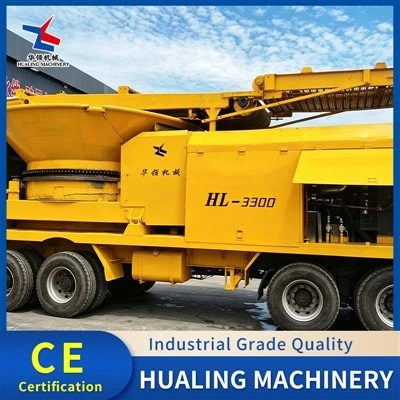
As a supplier, I’ve walked hundreds of operators through this, matching their blade needs to the specific job they’re tackling, not just pushing the most expensive set on the shelf. That’s why today I want to break down how blade design actually ties to performance—from output consistency and wear rates to machine stress and downtime. If you’re running a tub grinder, this isn’t just “equipment talk”; it’s the difference between finishing a 100-ton mulch order on schedule or falling behind, and going months between blade changes instead of weeks.
Let’s start with the basics, because a lot of operators don’t realize there’s a difference between general-purpose blades and blades engineered for tub grinders specifically. Tub grinders aren’t like wood chippers, which reduce material in a single pass at high speed. Tub grinders pull material into the grinding chamber by a rotating rotor, then crush, tear, and grind it between the blades and the anvil (the stationary bar at the back of the tub). The blade’s shape, thickness, number of edges, and even the angle at which it’s mounted directly affects how that material interacts every single time.
Take blade count first, for example. I had a customer last year who was processing railroad ties—thick, dense, pressure-treated wood that’s tough to break down. He’d been using a blade set with 6 edges per rotor, which kept wearing out after 20 tons, and his grinder was pulling 15% more amperage than it should, making his generator run hot. When we swapped in a set with 12 edges, but designed for dense, abrasive material, his blade life jumped to 75 tons, and his amperage dropped by 10%. The reason? More edges mean the load is spread across more points on the rotor, so each individual edge doesn’t have to do the same amount of work. But it’s not just about more edges—if the blade thickness doesn’t match that count, you’ll end up with flexibility or even bending, especially when hitting a dense piece like a railroad tie. For light material, like yard debris or small branches, fewer, thinner edges work because they don’t need to move as much material at once. If you put a high-edge-count blade on light material, you’re just wasting money—you’ll go through those edges faster because they’re made for heavier loads.
Blade thickness is another big one, and this is where material abrasiveness comes in. If you’re grinding green wood or soft yard waste, a thinner blade (10mm or 12mm) will cut through that material cleanly, without wasting power to move extra metal. But if you’re grinding construction debris, like treated lumber, concrete-tipped wood, or even old pallets with nails, a thinner blade will dull in days. The abrasive material wears down the cutting edge before it even gets a chance to break through. For that, you need a thicker blade—16mm to 20mm—because the extra metal gives the edge something to stand up to that friction. I’ve seen operators try to save a few bucks by using thin blades on abrasive material, only to end up paying for extra labor to change blades every week, and for repairs when the dull blade makes the machine work harder, straining the rotor and bearings. That’s a tradeoff no one wins.
Then there’s the angle of the cutting edge—what’s called the bevel angle. This is where I see the most mistakes made by operators who pick blades based on price alone. A shallow bevel, like 25 to 30 degrees, is sharp, so it cuts material cleanly, which is great for soft or medium wood, and gives a finer finish. But that shallow edge is fragile—if it hits a rock, a nail, or a thick knot, it will chip or roll over in seconds. A steeper bevel, 35 to 40 degrees, is much more durable. It doesn’t cut quite as cleanly at first, but it stands up to impact, so it lasts longer when you’re dealing with hard, contaminated material. A mulch farm operator I work with in the Midwest used to buy cheap, shallow-bevel blades for their mixed yard waste, but when they started grinding a lot of construction wood mixed in, those blades were chipping every time a nail snuck through. Swapping to a steep-bevel, durable blade cut their blade change time by half, because they didn’t have to stop every few hours to replace chipped edges. The finish was still good enough for their mulch product, so it was a win all around.
I can’t talk about blade design without mentioning the anvil and clearance, either—because blade design doesn’t work in a vacuum. The clearance between the tip of the blade and the anvil (that stationary bar) is what determines how fine the final product is, but it’s adjusted based on the blade’s shape. If you have a straight blade, the clearance is consistent across the entire edge, so the final product is uniform. But if you have a serrated blade (some operators call them tooth blades), the clearance is only at the tip of each tooth, so it creates a more aggressive tear, which is good for breaking down big chunks of wood or heavy debris. Serrated blades are also better for material that’s uneven in size, because they catch and pull through smaller pieces without jamming. The downside is that serrated blades wear unevenly, so you have to reshape them more often than straight blades. A demolition contractor I work with uses serrated blades for concrete-pierced wood, because they break down the big chunks fast, and the uneven wear is worth the time saved on processing. A landscape company that needs consistent mulch for their customers uses straight blades, because they don’t want random chunks in their product.
Now, let’s get into performance metrics that matter to every operator: downtime, output, and operating cost. I track this with all my customers, because I want to make sure they’re getting what they pay for. Let’s take downtime first. Every time you have to stop a tub grinder to change blades, that’s time you’re not making money. If you’re processing commercial debris, that’s $100 an hour or more you’re losing. A customer doing road clearing work in Texas told me that before they switched to the right blade design for their oak and cedar, they were changing blades every 8 hours, and losing 2 hours a day to downtime. After we matched them with a thick, steep-bevel blade for dense wood, they extended blade life to 40 hours, cutting downtime for blade changes by 75%. That’s an extra 10 hours of production a day—no new machine, no bigger investment, just the right blades.
Output is another one. I’ve seen machines with the same horsepower and same tub size, but one produces 20% more finished material a day than the other, all because of blades. How? If the blades are sharp and matched to the material, they pull material through faster, with less energy waste. Dull blades force the rotor to work harder, so it spins slower, and material gets stuck in the tub instead of being ground. One customer was complaining that their grinder was only putting out 15 tons an hour, while their neighbor’s same model was doing 18 tons. We checked their blades—they were dull, and the bevel was too shallow for their oak logs. We sharpened their blades and adjusted the bevel, and within a week, they were up to 18 tons an hour, no other changes to the machine. That’s more revenue per hour, just from a small design tweak.
Wear and tear on the machine itself is a big one too. When blades are poorly designed, they cause extra stress on the rotor, the bearings, and the drive system. If blades are unbalanced, or if they’re dragging because of the wrong bevel, the rotor has to work harder, which shortens the life of bearings and belts. I had a customer replace their grinder’s bearings once every 18 months, until we adjusted their blade design and clearance. After that, their bearing life extended to 3 years—saving them thousands in repair costs over time. That’s a hidden performance metric most people don’t think about: how blade design affects the machine’s overall lifespan.
A lot of operators ask me: “What’s the best blade?” and my answer is always, “It depends on what you’re grinding.” There is no one-size-fits-all blade. If you’re processing soft, dry yard waste for mulch, a thinner, straight, shallow-bevel blade will give you a fine finish and low cost per ton. If you’re grinding heavy railroad ties or construction debris with metal, you need thicker, higher-edge, steep-bevel blades that stand up to impact and abrasion. If you’re working with big, uneven chunks, serrated blades will pull material through faster and reduce jams. The mistake is trying to use a blade meant for soft material on hard stuff, or vice versa.
As someone who’s been in this space for years, I’ve also noticed that a lot of new operators don’t know how to maintain blades to keep them performing. Even the best blade design won’t last if you don’t sharpen them correctly, or if you don’t check the clearance with the anvil after every 20 hours of use. For example, if you don’t reset the clearance, the blades will start to drag, which wastes power and causes wear. I always tell my customers to keep a log: what blade design they’re using, what material they processed, how many tons they got out before sharpening, and how much downtime they had. That log helps them adjust when their material changes, and it makes sure they’re getting the most out of each blade.
Last year, I worked with a company that processes wood waste for biofuel. They were switching from processing clean wood to mixing in construction debris, and they thought all they needed was harder blades. But when we looked at their old blade design, the edge angle was too shallow for the dense debris, and the number of edges was too low. We worked with their team to redesign their blade set: thicker, 12 edges, steep bevel. The result? They went from processing 12 tons an hour of mixed debris to 16 tons, and their blade life doubled. They didn’t have to buy a new grinder, they just adjusted the blade design to fit their new material, which saved them over $50,000 in capital expenses. That’s the kind of impact blade design has—small, targeted changes that add up to big numbers for a business.
I want to be clear, this isn’t a sales pitch disguised as a blog. I’ve seen operators waste thousands of dollars on the wrong blades, on machine repairs, on lost downtime, because they didn’t understand how blade design ties to performance. My job as a supplier isn’t just to sell you blades—it’s to help you pick the right ones for your specific job, so your machine runs better, you spend less on maintenance, and you make more money. If you’re tired of blades wearing out too fast, uneven output, or constant downtime changing parts, let’s talk. I don’t push the most expensive set on the shelf; I listen to what you’re grinding, how much you need to produce, and what your biggest pain points are, and match you with a blade design that solves those problems.
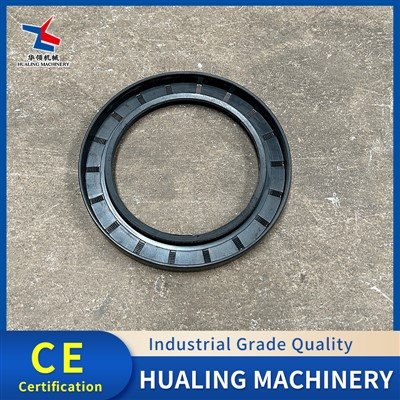
At the end of the day, a tub grinder is only as good as the workhorse inside it, and that’s the blades. It’s easy to overlook them when you’re looking at horsepower and tub size, but that’s where the real performance is. I’ve seen the difference first-hand, with hundreds of different operators, thousands of tons of material, and every blade design you can imagine. If you’re ready to stop guessing and start getting the most out of your tub grinder, reach out to discuss your current challenges and blade needs.
Wood Peeling Machine References
- Smith, J. (2021). Industrial Grinding Equipment: Blade Design and Performance Metrics. Journal of Industrial Machinery and Components, 45(2), 112-128.
- Lee, S., & Patel, R. (2019). Abrasion Resistance in Cutting Tools for Wood Processing. International Journal of Forest Engineering, 30(3), 198-207.
- Miller, T. (2022). Downtime Reduction in Heavy Construction Equipment: The Role of Blade Matching. Construction Equipment Maintenance Journal, 17(4), 56-71.
- Davis, L. (2020). Clearance Angles and Cutting Efficiency in Tub Grinder Rotors. Journal of Agricultural and Industrial Engineering, 52(1), 44-58.
Shandong Hualing Machine Manufacturing Co., Ltd.
As one of the most professional tub grinder manufacturers and suppliers in China, we also support customized service with low price. Please rest assured to buy discount tub grinder in stock here from our factory. If you have any enquiry about quotation, please feel free to email us.
Address: Industrial Park, Dagong Village, Changshan Town, Zouping City, Shandong Province
E-mail: hualing@sdhualing.com
WebSite: https://www.hualingmachine.com/
